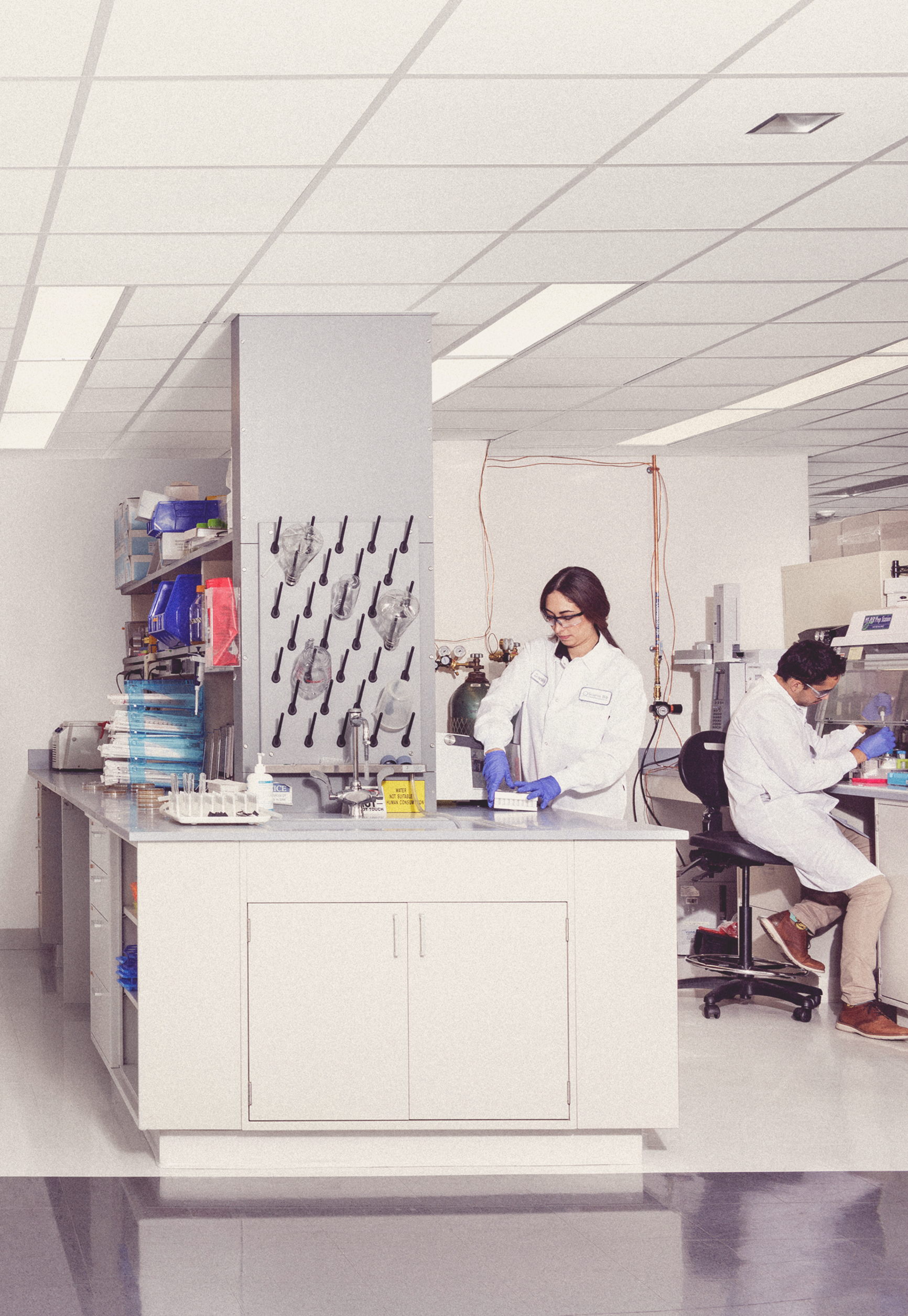
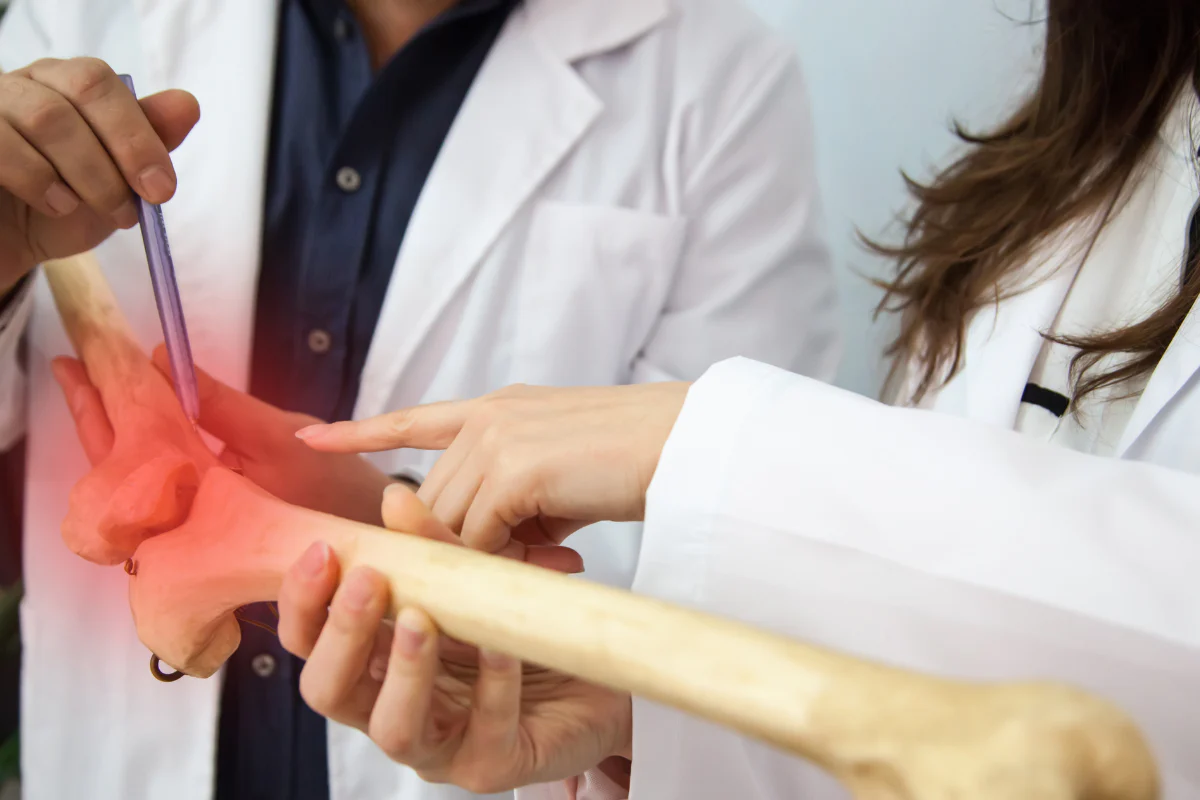

Family history of osteoporosis can feel like a headline you didn’t choose but have to live under anyway. For Alicia, a researcher at Sōlaria Biō, osteoporosis isn’t just something she studies. It’s a family story.
“My mom has osteoporosis,” Alicia says. “And her sister has steel rods in her spine due to her osteoporosis." That’s not a statistic. That’s a before-and-after. A life re-routed by a condition that often moves quietly until it doesn’t. For Alicia’s mom, that reroute didn’t start with a dramatic moment. It started with a restriction.
She was a lifelong ice skater. She taught Alicia and her sister how to skate. She always planned to teach her grandchildren, too. But now that she has osteoporosis and is at higher risk of fracture, her doctor won’t let her skate. “For my mom, this is devastating,” Alicia says. This is what bone loss can take—quietly at first, then all at once. Not just strength, but the traditions we thought we’d pass down.
Osteoporosis is common, and the fallout is significant. Estimates indicate that 50% of women and 20% of men over age 50 will experience an osteoporosis-related fracture.
This Mother’s Day, we’re sharing Alicia’s story because it captures something we think about constantly at Sōlaria Biō: bone loss doesn’t just affect one person at one point in time. It ripples. Across families. Across generations. Across decades.
And our science is finally catching up to that reality.

When Family History of Osteoporosis Becomes a Future Question
One reason women so often feel blindsided is that they did all the right things. They took the supplements. They stayed active when they could. And yet, bone density still slipped.
Here’s why:
- Menopause-related bone loss isn’t only about calcium intake; it’s also driven by changes in bone remodeling signals and inflammation.
- The USPSTF does not recommend vitamin D and/or calcium supplementation for primary prevention of fractures in pre- or postmenopausal women.
Watching her mom lose something as defining as skating turned osteoporosis from a diagnosis into a future question for Alicia: what do I want to protect, and how early do I need to start?
“I want to protect myself,” she says. “I want to protect my children in the future from the same kind of fate.”
That’s the emotional math so many women do across generations.Because osteoporosis isn’t only about an individual. It’s about what happens when a mother becomes someone’s patient. When caregiving expands. When a fracture changes what independence looks like.

Proactive Bone Health Is an Act of Love for Your Family
If you have osteoporosis in your family, it’s easy to feel like you’re waiting for the other shoe to drop.
But Alicia’s perspective is different. She sees bone loss as something with a pattern—one that can be influenced earlier, with better tools.
While genetics can raise risk, biology is not destiny. Bone is living tissue, constantly remodeling. The trajectory can change when you understand what’s driving loss and when you intervene earlier than the standard timeline tends to allow.
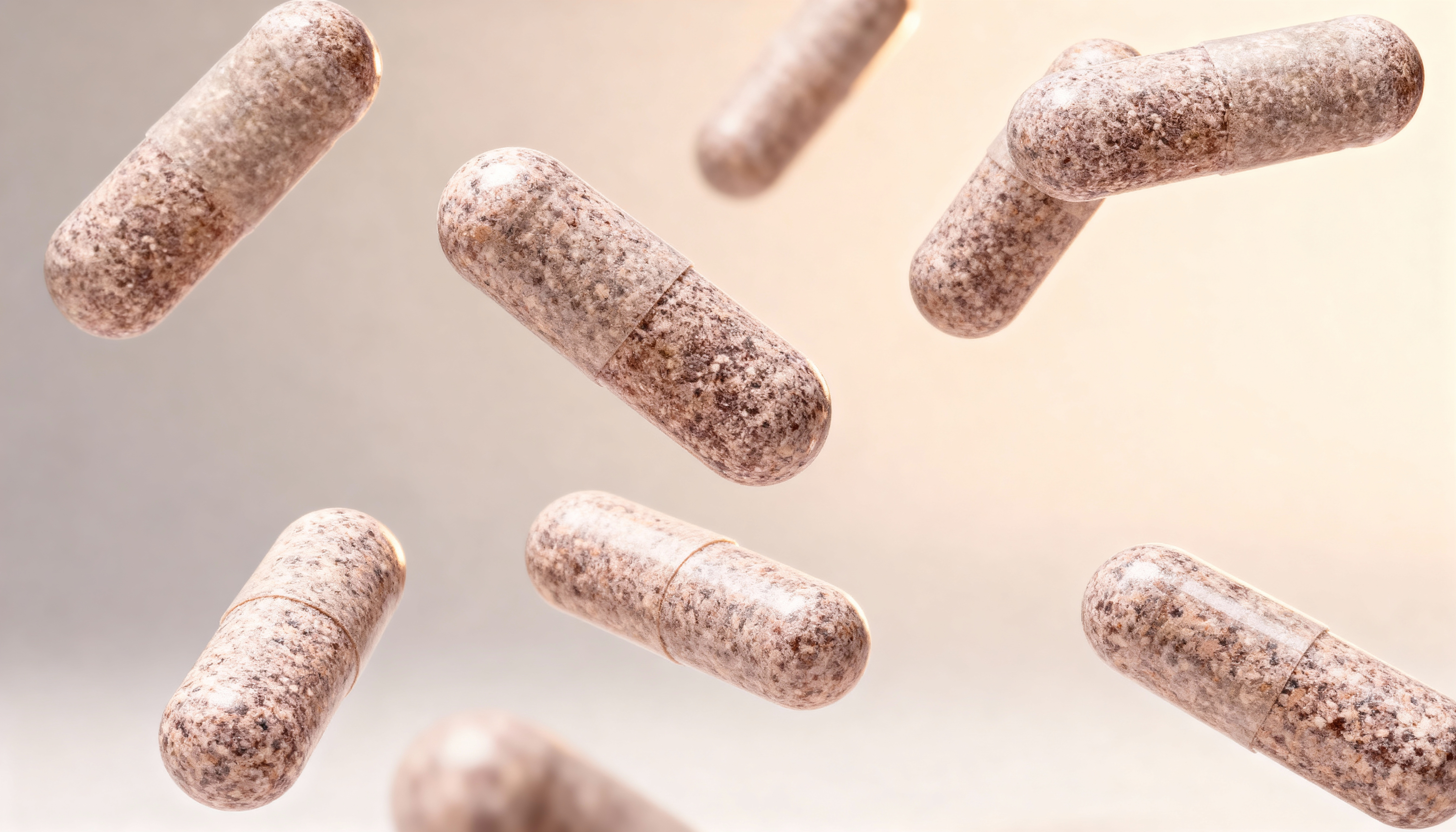
Bōndia is a synbiotic (made of plant-sourced probiotics plus prebiotic fibers) clinically shown to support bone health by targeting inflammation in the gut that contributes to bone loss.
Alicia also points to what was observed in Bōndia’s 12-month, randomized, placebo-controlled clinical trial in 286 early postmenopausal women:
“In our clinical trial, what we found is that women who took Bōndia over the course of the year their bones were staying stronger. Essentially, for the women that were at risk, they were losing one-fifth of the bone that the control group was losing.”
- In women with osteopenia: 85% less bone loss at the femoral neck vs placebo.
- In women with BMI ≥30: 74% less bone loss at the total hip vs placebo.
- Tolerability: 79% reduction in severe GI symptoms vs placebo.
“It was keeping their bones younger, and that’s fantastic.”
For many of us, this is life-changing math—determining whether we continue living confidently and independently or begin confronting avoidable fractures, mobility loss, and reduced quality of life.
Hip fractures are where this gets real.
- Only 40–60% of people fully recover mobility after a hip fracture.
- Hip fractures are associated with ~22% all-cause mortality in the year after.
- In Medicare patients, annual direct medical costs were estimated to be ~$31,000 higher for patients who experienced a fracture vs those without.

What You Can Do if Osteoporosis Runs in Your Family
If Alicia’s story hits close to home, here are a few science-forward, practical steps to consider, especially if you have a family history of osteoporosis.
-
Talk to your clinician about risk earlier than 65 (USPSTF recommends routine DEXA scan at 65, and earlier only with risk factors). Guidelines and coverage can vary, but your personal risk factors matter. → Ask Your Clinician These 3 Questions
-
Know your baseline. A DEXA scan (or other clinician-recommended assessment) can turn vague worry into measurable information. → Get 25% off a DexaFit Scan
-
Keep the basics in play. Strength training, adequate protein, vitamin D status, and nutrition patterns that support overall metabolic health all matter. → Shop our Mother’s Day Gift Guide
-
Consider evidence-based options. If you’re exploring additional support, look for interventions that have been evaluated in well-designed clinical studies—not just trends. → Check Bōndia’s Clinical Evidence
The Multigenerational Payoff of Proactive Bone Health
On Mother’s Day, it’s easy to focus on what we give to others. But bone health is one of those rare areas where taking care of yourself can also be a gift to your family because it changes what caregiving might look like later.
“My mom is 75. She’s aging. She’s going to need more care. I have a four year old daughter who obviously requires a lot of care. I’m not always able to take the best care of myself,” Alicia says. “It’s fantastic that there’s a product like this to help reduce the worry that I’m not necessarily doing all the right things.”
“I feel very lucky to have helped develop a product that has multigenerational impact…something that I can feel and can work for my mom who has osteoporosis, and my daughter down the road, and millions of women. That makes me feel really proud.”
That’s not just a scientist talking. That’s a daughter. A mother. A woman looking at the future and refusing to call bone loss inevitable.
If you want to learn more about Bōndia and the science behind the gut–bone axis approach to bone health, visit https://www.solaria.bio/.
This article is for general information and does not replace medical advice. Talk with a qualified healthcare professional about screening, diagnosis, and the right bone health plan for you.


