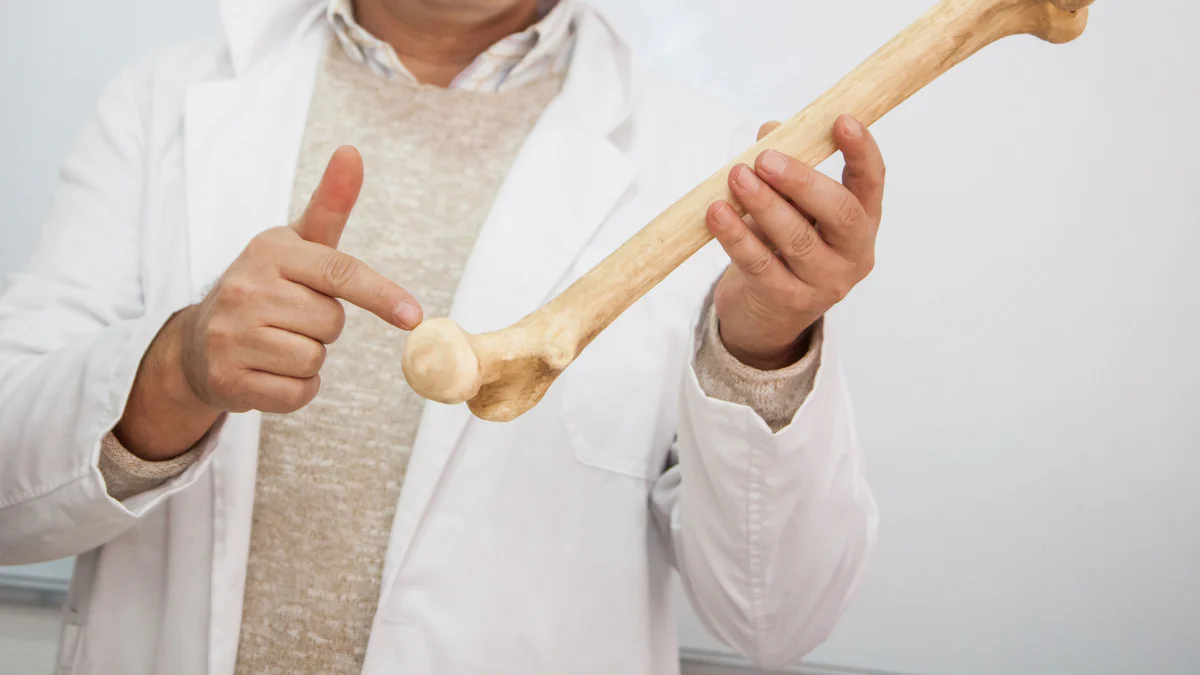



Postpartum bone loss is one of those quietly normal things that surprises people because no one really warns you. Pregnancy and breastfeeding change mineral and hormone biology in ways that can temporarily lower your bone mineral density (BMD), especially during exclusive breastfeeding. The good news: for most people, this is reversible, and bone density typically rebounds during and after weaning. 
What matters is knowing what’s normal, what’s not, and how to protect your skeleton during a phase of life when your body is already doing a lot.

The Biology of Lactation and Its Effect on the Birthing Parent’s Bone Density
Your baby needs calcium to build a skeleton. During pregnancy, your body adapts by increasing intestinal calcium absorption (driven in part by changes in vitamin D metabolism). 
During lactation, calcium for breast milk comes largely from your skeleton, in a process influenced by low estrogen and parathyroid hormone–related protein (PTHrP). 
Across studies, BMD commonly drops about 3-10% in the first 2-6 months of lactation, with the lumbar spine often showing the biggest change. Then, after breastfeeding stops, bone mass generally recovers substantially, often back toward baseline.
The Myths vs. Realities of Postpartum Bone Loss
Myth 1: “Breastfeeding permanently drains your bones.”
Reality: For most people, lactation-related bone loss is temporary and reversible. Large reviews and major health resources describe recovery after weaning, and lactation is not typically a long-term risk factor for osteoporosis in otherwise healthy individuals.
Myth 2: “If I just take calcium, I won’t lose bone while breastfeeding.”
Reality: Adequate calcium and vitamin D are important for overall bone health, but they don’t fully override the biology of lactation, where the body is designed to use calcium from the skeleton. Think of calcium supplements as support, but it’s not a switch that turns the process off.
Myth 3: “Postpartum bone loss is rare, so I don’t need to think about it.”
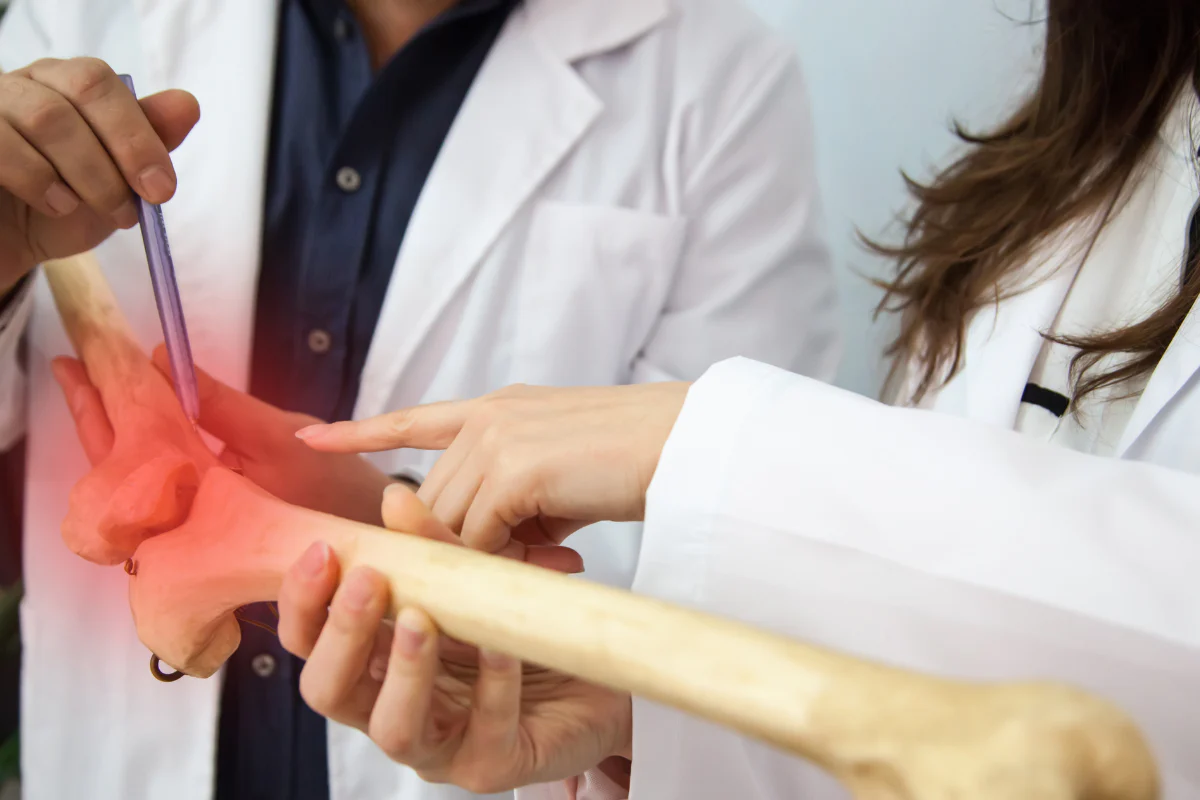
Reality: The temporary dip in BMD during lactation is common. What’s rare is pregnancy- and lactation-associated osteoporosis (PLO)—a condition where fragility fractures (often vertebral compression fractures) occur during late pregnancy or early postpartum/lactation.
Myth 4: “If I had multiple pregnancies, my bones are doomed later.”
Reality: The long-term picture is nuanced and influenced by nutrition, baseline bone density, and health history. Many studies suggest no adverse long-term effect on BMD for most people, but individual risk still matters, especially if you started pregnancy with low bone mass or other risk factors.
Symptoms of Abnormal Postpartum Bone Loss and When To Talk to a Doctor
Talk with a clinician (OB-GYN, primary care, endocrinology) sooner rather than later if you’ve recently given birth and you have:
- Severe or persistent back pain or loss of height, especially if it began in late pregnancy or early lactation
- A low-trauma fracture: a fracture from a minor fall or everyday movement like lifting the baby
-
Multiple risk factors for low bone density, such as:
- Prior stress fractures or known low BMD (osteopenia)
- Very low BMI, history of eating disorder, or chronic under-fueling
- Long-term use of certain medications (prednisone, SSRIs, thyroid hormone treatment, and aromatase inhibitors to name a few)
- Malabsorption conditions (e.g. celiac disease) or bariatric surgery
- Vitamin D deficiency, smoking, heavy alcohol use
- Strong family history of osteoporosis or fractures 
PLO is described as rare (estimated incidence 0.4 per 100,000 women) but it can be serious and is often identified after a fragility fracture, usually a vertebral fracture, already happens. The most common warning sign is severe back pain, which can be mistakenly dismissed as a normal pregnancy or postpartum complaint. Even though PLO is uncommon, it can be life-altering for the people affected, sometimes leading to chronic pain and lasting disorders of the spine.
What Birthing Parents Can Do To Support Bone Health Postpartum
This is general education, not medical advice, but these are evidence-aligned, practical levers that tend to matter.
1. Don’t ignore nutrition basics (especially if you’re breastfeeding)
- Aim for adequate calcium, vitamin D, and protein intake to support bone remodeling and overall recovery.
- If appetite is low, sleep is shredded, or you’re unintentionally in a calorie deficit, treat that as a real health variable. Chronic under-fueling can work against bone recovery.
If you’re unsure about targets, your clinician or a registered dietitian can tailor them to your age, breastfeeding status, and labs.
2. Return to impact and strength training thoughtfully
Bone likes mechanical loading, but postpartum bodies also need progressive return.
- Start with graded strength work (glutes, legs, back, core, carries) and build up.
- Add impact (if appropriate) later: brisk walking → hills → jogging/plyometrics depending on your symptoms, pelvic floor recovery, and overall readiness.
3. Pay attention to “time to recovery,” not just “did I breastfeed?”
A longer lactation duration can be associated with a longer time back to baseline BMD in some datasets, and systematic reviews note that BMD commonly returns toward early postpartum levels by weaning/post-lactation.
4. Know what testing can (and can’t) tell you
A DEXA scan measures bone density, but it doesn’t explain why bone loss is happening. If you have risk factors, symptoms, or a fracture, it may be reasonable to ask whether evaluation for secondary causes of bone loss is appropriate.
5. Take postpartum back pain seriously when it’s out of proportion
Most postpartum back pain is muscular, postural, or load-related. But new, severe, focused pain, especially if it limits your movement, shouldn’t be brushed off as “just carrying a baby now.” Rarely, it’s the first clue to a vertebral compression fracture associated with pregnancy and lactation-related bone fragility.
The Bottom Line
Postpartum bone loss is often a normal, temporary state, especially while you’re breastfeeding. And, for most people, bones recover after weaning.
What makes the difference is whether you:
- entered pregnancy with hidden risk factors,
- develop symptoms that don’t fit the normal recovery pattern,
- or stay in a prolonged state of under-fueling, low loading, or an unaddressed deficiency.
Your skeleton carried you through pregnancy, birth, and now the daily lifting, rocking, and hauling of early parenthood. It deserves the same follow-through you give everyone else.
This article is for educational purposes only and is not intended as medical advice. Always consult a qualified healthcare professional before making changes to your health, supplement, or treatment plan.
Frequently Asked Questions About Postpartum Bone Loss
How do pregnancy and breastfeeding affect a birthing parent’s bones?
Pregnancy and breastfeeding can cause temporary shifts in bone mineral density (BMD) because your body prioritizes calcium for fetal and infant skeletal growth. During pregnancy, the body typically adapts by absorbing calcium more efficiently from food. During breastfeeding, calcium for breast milk is supplied in part by mobilizing calcium from the skeleton, and lower estrogen during lactation can increase bone turnover; so postpartum bone loss can occur, often most noticeably at the spine. For most people, this is time-limited, and bone density rebounds after weaning. Severe back pain or fractures postpartum are not typical and warrant evaluation.
How much calcium do pregnant and breastfeeding parents need to keep their bones healthy?
Most guidelines recommend the same daily calcium intake in pregnancy and lactation as outside of it, based on age. In general: 1,000 mg/day for adults (19-50) and 1,300 mg/day for teens (14-18), whether pregnant or breastfeeding. Hitting these targets supports overall bone health and helps cover the increased calcium demands of pregnancy and breastfeeding. But it’s important to know that extra calcium doesn’t necessarily prevent the normal, temporary dip in BMD during lactation, because hormones and physiology drive part of that process. If you have dietary limits, discuss calcium, vitamin D, and labs with your clinician.
What are the long-term effects of pregnancy and breastfeeding on bones?
For most birthing parents, the long-term effects of pregnancy and breastfeeding on bones are neutral. Although breastfeeding and bone density are linked in the short term (BMD can drop during lactation), research and clinical guidance generally indicate that bone density recovers after weaning, with no lasting increase in osteoporosis risk for most healthy people. The exception is when someone has underlying risk factors (very low BMI, malabsorption, chronic steroid use, prior fractures) or develops warning signs like severe postpartum back pain or a low-trauma fracture, which can rarely signal pregnancy- and lactation-associated osteoporosis (PLO) and should be evaluated promptly.


