

Most families don’t talk about bone health until something changes: a fall, a fracture, a sudden loss of independence.
But bone loss doesn’t start there. It starts earlier—quietly and without symptoms. By the time it’s visible, it’s often been happening for years.
If you’re wondering how to talk to your parent about bone health, the most important thing to know is this: Starting the conversation earlier gives you something most people don’t have—time.
1. Start With What Matters to Them
Don’t start with osteoporosis. Start with what matters to them: independence.
This is not a conversation about bone density scores. It’s about:
- Staying active
- Living at home longer
- Avoiding hospital stays
- Maintaining independence
You might say: “I’ve been reading about how falls can really affect people as they get older. I want to make sure we’re doing everything we can to keep you strong and independent.”
This keeps the focus where it belongs: their future, not their risk.

2. Share What Most People Don’t Know About Bone Health
A key part of how to talk to your parent about bone health is gently updating what they think they know.
Many people still believe: “Take calcium. Stay active. You’re fine.”
That’s incomplete.
What most people don’t realize:
- Bone loss is silent and progressive
- Most people have low bone density by their 60s 
- Fractures often happen before osteoporosis is diagnosed
- A large portion of fractures occur in people with osteopenia
- Recovery from hip fractures is often incomplete, impacting mobility and independence
You’re not trying to overwhelm them with statistics. You’re giving them a more accurate picture, so they can make informed decisions.
3. Expand the Bone Health Conversation Beyond Calcium
For decades, bone health advice has been framed around calcium and vitamin D. But that’s only part of the story.
Research shows:
- Supplements alone have modest and inconsistent effects on bone density
- Bone loss is driven by hormonal changes, inflammation, and cellular signaling
- The gut microbiome plays a role in regulating inflammation and bone remodeling (the “gut–bone axis”)
A simple way to explain it: “It’s not just what you take, it’s how your body uses it.”
This opens the door to a more modern, biology-based understanding of bone health.
4. Introduce New Bone Health Options Thoughtfully
If the conversation opens up, you can share that bone health research has evolved.
Emerging approaches now focus on:
- Reducing inflammation
- Supporting nutrient absorption
- Working with the body’s natural bone remodeling processes
Keep it simple: “There are some newer approaches being studied that go beyond supplements. It might be worth asking your doctor what options make sense.”
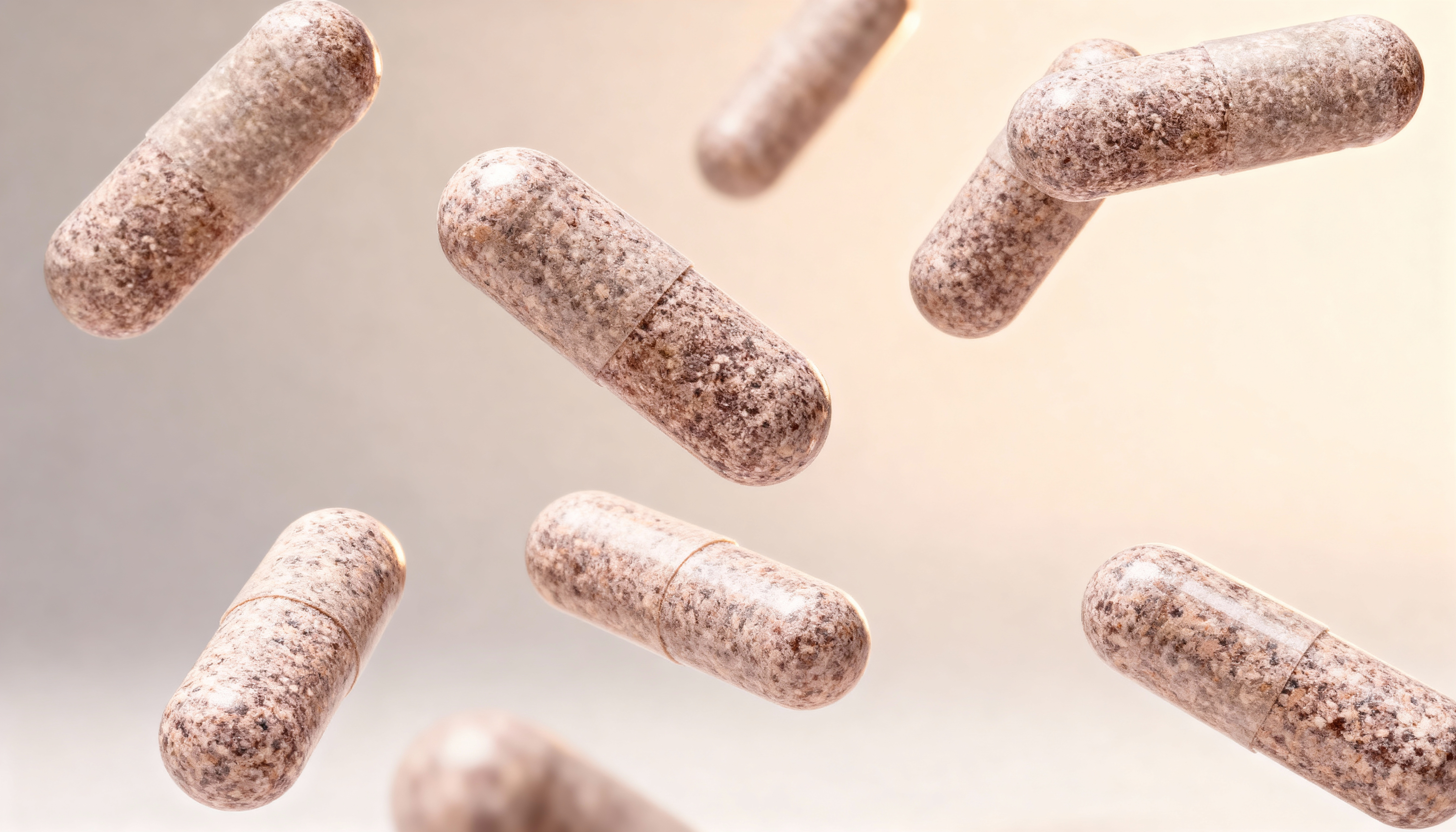
One example is Bōndia: a plant-based probiotic + prebiotic formula designed to help reduce bone loss by working through the gut (where inflammation starts).
In a 12-month randomized, placebo-controlled clinical trial of 286 postmenopausal women, it significantly reduced bone loss in higher-risk groups.
A simple way to frame it: “This is one of the newer options that might be worth asking your doctor about.”

5. Make It About Getting a Baseline, Not Finding a Problem
Another key part of how to talk to your parent about bone health is reducing resistance.
Instead of: “Let’s check if something is wrong.”
Try: “Let’s get a baseline so we know where things stand.”
A DEXA scan gives you visibility into something you can’t feel.
Bone density testing (like a DEXA scan) is:
- Noninvasive
- Quick
- Widely available
- Often covered by insurance when ordered by a doctor
More importantly, it gives you a starting point for smarter decisions—not just a diagnosis.
You can say: “Even if everything looks good, it’s helpful to know your baseline. And if there’s early change, that’s when you can actually do something about it.”
6. Expect Resistance and Stay Curious
If your parent pushes back, that’s normal.
Common responses:
- “My doctor hasn’t mentioned it.”
- “I take calcium already.”
- “I feel fine.”
Avoid correcting them directly. Instead, stay curious:
- “What has your doctor said about your bones?”
- “Have you ever had a bone density scan?”
- “Would you be open to asking about it at your next visit?”
This keeps the conversation collaborative, not confrontational.
7. Make It Easy to Take Action
Sometimes the biggest barrier is not willingness, it’s friction.
You can help by:
- Scheduling a bone density scan
- Going to an appointment together
- Researching options together
- Review results and next steps
Even small actions make follow-through more likely.
The Bottom Line
Most families don’t talk to their parents about bone health until something breaks. But that’s exactly what this conversation is meant to change.
Learning how to talk to your parent about bone health gives you the opportunity to act earlier—before urgency takes over.
Because this isn’t just about fractures. It’s about protecting their independence, mobility, and the life they want to keep living.
And if that conversation opens the door to next steps, it’s worth knowing that newer, clinically studied approaches are emerging.


