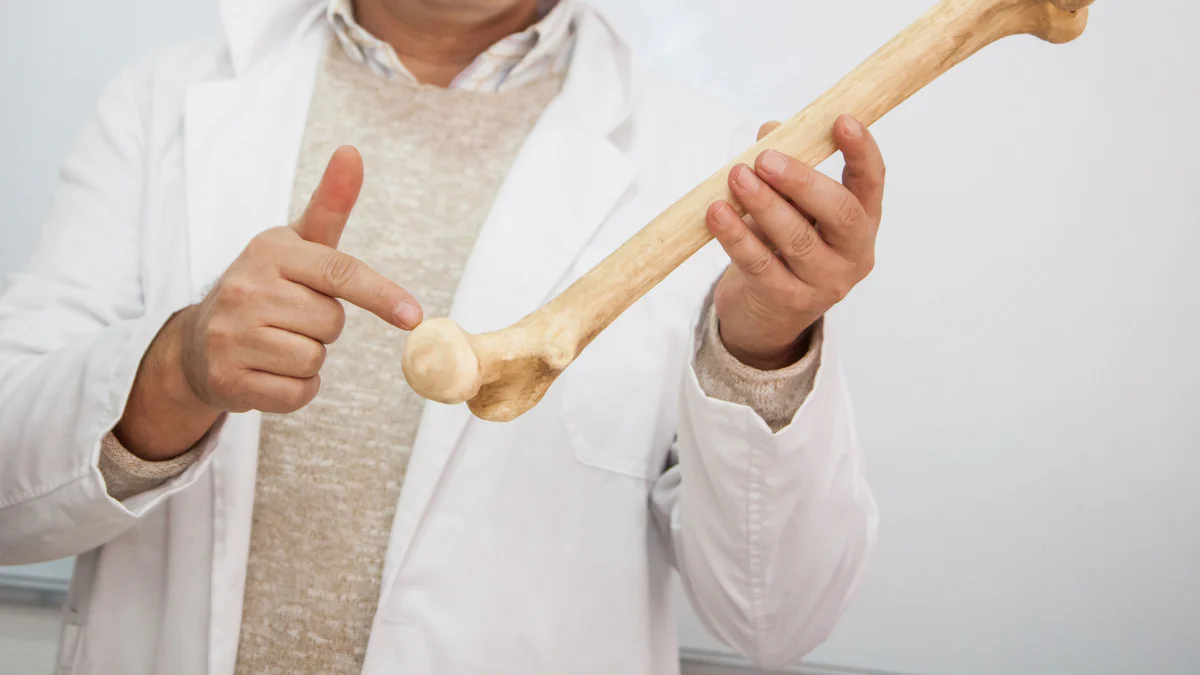






Osteopenia is often treated with supplements, but supplements alone don’t prevent bone loss.
An osteopenia diagnosis means bone mineral density (BMD) is lower than normal, but not low enough to meet the criteria for osteoporosis. In many cases, the first recommendation is to start making sure you’re getting enough calcium and Vitamin D, preferably through diet, with supplements when dietary intake is insufficient.
For many women in midlife, this advice can feel automatic: bone density declines, so add a supplement. Concerned about fracture risk? Increase the dose or layer in additional nutrients believed to support bone health.
Yet, bone loss continues to progress silently. Many people who consistently take calcium, vitamin D, and other supplements for osteopenia still see declining BMD at their follow-up bone density screenings.
The reason is physiological, not behavioral. Osteopenia is driven by changes in bone remodeling, inflammation, and nutrient absorption—not simply by a lack of calcium or vitamin D.

What Supplements Help with Osteopenia?
A diagnosis of osteopenia often sends people down a long supplement aisle.
In addition to calcium and vitamin D, many people are advised to add a growing list of nutrients believed to support bone health.
Here’s a clear look at the most commonly used supplements in osteopenia, and what they’re generally intended to support.
| Supplement | What It Does | What It Doesn't Do |
| Calcium |
Provides a key building block for bone mineralization |
Does not control bone loss or rebalance bone remodeling; more intake ≠ better outcomes if levels are already sufficient |
| Vitamin D |
Helps the body absorb calcium and maintain calcium balance |
Does not slow bone breakdown or address underlying drivers of bone loss |
| Magnesium |
Supports calcium regulation and bone mineralization |
Does not directly increase bone density unless correcting a deficiency |
|
Vitamin K (K1 & K2) |
Helps bind calcium to bone through osteocalcin activation |
Has mixed evidence; does not consistently prevent bone loss on its own |
|
Trace Minerals (zinc, copper, etc.) |
Support bone structure and enzyme function |
Do not meaningfully impact bone density unless deficient |
|
Protein |
Provides structural support for bone and reduces fracture risk when adequate |
Does not prevent bone loss without exercise and balanced bone remodeling |
| Collagen |
Supports connective tissue and bone matrix structure |
Limited evidence for improving bone density or slowing bone loss |
Key takeaway: Most supplements provide ingredients. They don’t regulate the biological processes like inflammation and bone remodeling that drive osteopenia progression.
Signs Supplements Aren't Working
If your bone density continues to decline on follow-up DEXA scans despite consistent supplement use, that’s a clear sign your approach isn’t addressing the underlying biology. You may also notice no meaningful changes in strength, recovery, or overall health markers over time. In osteopenia, lack of progress (not lack of effort) is often the indicator that supplements alone aren’t enough.
Why More Supplements Still Don’t Stop Osteopenia Progression
Here’s the hard truth many people discover months or years later: you can take all of these supplements and still lose bone.
That’s because osteopenia is not primarily a problem of missing ingredients. It’s a problem of bone regulation.
Bone loss in osteopenia is driven by:
- Increased osteoclast (bone-breaking cell) activity
- Chronic, low-grade inflammation
- Hormonal changes that alter bone signaling
- Declining nutrient absorption efficiency
Most supplements provide building blocks. They do not meaningfully slow bone breakdown or rebalance bone remodeling.
Absorption Matters More Than Intake
Another overlooked factor in osteopenia is absorption.
Calcium absorption efficiency declines with age, even when intake is adequate. Gut health, inflammation, and microbiome composition all influence how well nutrients are absorbed and utilized.
Research increasingly points to the gut–bone axis as an important regulator of bone metabolism. Gut-derived inflammatory signals and microbial metabolites influence bone remodeling through immune pathways—independent of calcium intake.
In other words, bone health depends not just on what you take, but on how your body processes it.
The Bottom Line
Osteopenia is not a calcium deficiency diagnosis, and supplements alone are rarely enough to change its trajectory.
While calcium, vitamin D, magnesium, and other nutrients are necessary, bone health depends on how your body regulates bone remodeling, inflammation, and nutrient absorption over time. Weight-bearing exercise, adequate sleep, stress regulation, and an anti-inflammatory diet all influence these biological processes and play a role in preserving bone density.
For those seeking early, science-backed support as part of a comprehensive bone health strategy, Bōndia is a clinically proven, plant-sourced synbiotic designed to help slow bone loss through the gut–bone axis.
This article is for educational purposes only and is not intended as medical advice. Always consult a qualified healthcare provider before starting or changing supplements or medical foods.
FAQs About Calcium, Vitamin D, and Bone Supplements
Do calcium supplements actually improve bone density?
Calcium supplements can help correct a deficiency, but they do not consistently improve bone density in people with adequate intake. Bone density depends on bone remodeling balance, not calcium intake alone.
Is vitamin D enough to protect against bone loss?
No. Vitamin D is necessary for calcium absorption, but it does not directly slow bone breakdown or rebalance bone remodeling. Adequate vitamin D alone does not reliably prevent bone loss or fractures.
Why do people still lose bone while taking calcium and vitamin D?
Because bone loss is driven by increased bone breakdown, inflammation, hormonal changes, and reduced absorption efficiency—not just low nutrient intake. Supplements do not address these underlying biological drivers.
Are calcium and vitamin D supplements useless for bone health?
No. Calcium and vitamin D are essential nutrients and important for correcting deficiencies. However, they are foundational supports, not comprehensive solutions for preserving bone density over time.
Does calcium absorption decrease with age?
Yes. Calcium absorption efficiency declines with age and can be further affected by gut health, inflammation, and changes in the microbiome, even when intake is adequate.
Can gut health affect bone density?
Yes. The gut–bone axis plays an important role in bone remodeling through immune and inflammatory pathways and by influencing nutrient absorption.
What should I focus on for long-term bone health?
Long-term bone health is best supported by addressing bone remodeling biology, reducing excessive bone breakdown, maintaining muscle strength, supporting absorption, and managing inflammation—not by relying on a single supplement.
Is Bōndia a replacement for calcium or vitamin D?
No. Bōndia is not a replacement for essential nutrients. It is a clinically proven, plant-sourced synbiotic designed to help slow bone loss by supporting the gut–bone axis, complementing foundational nutrition.


