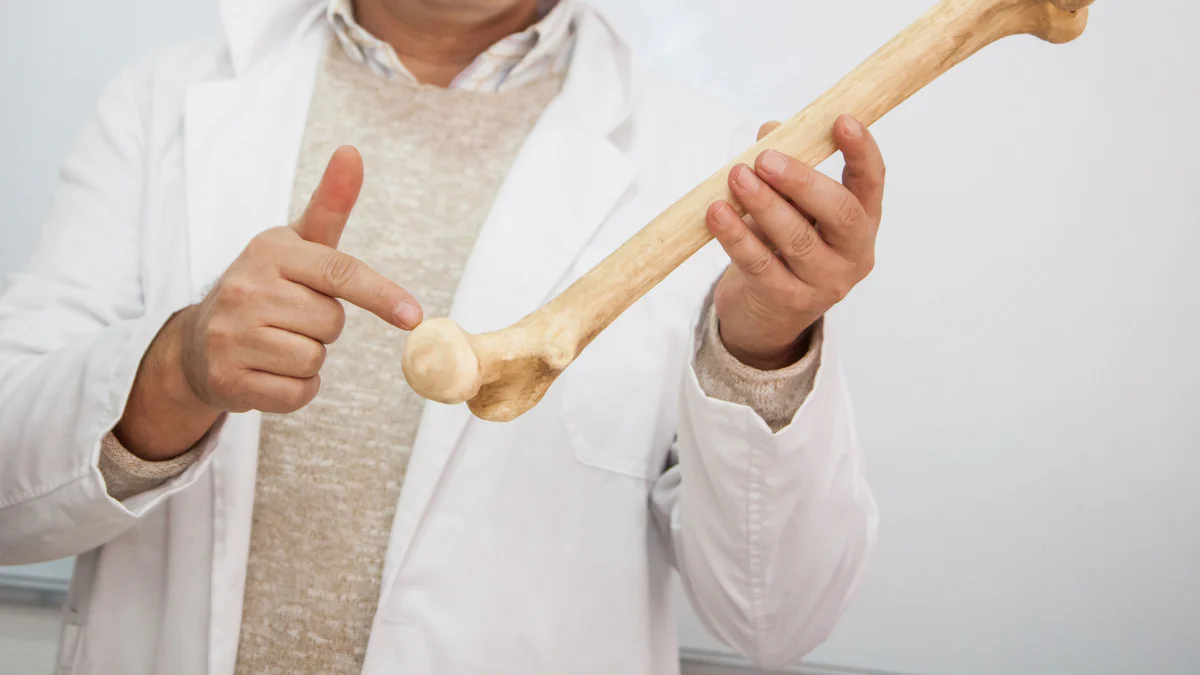

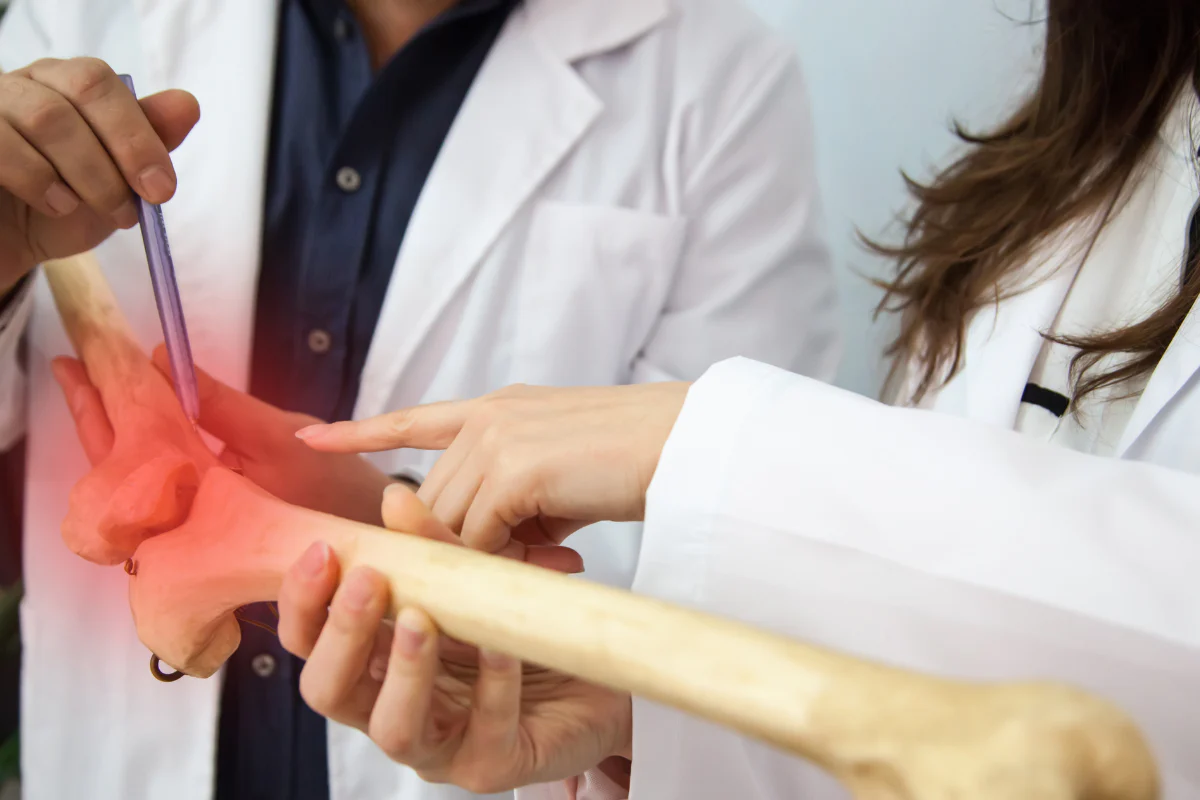

Every May, Osteoporosis Awareness and Prevention Month shines a light on one of the most overlooked aspects of aging: bone health.
Osteoporosis is often called the silent disease because bone loss happens gradually and without symptoms. Many people don’t realize they are losing bone density until they experience a fracture, a fall, or a bone density scan that reveals years of silent decline.
Approximately 10 million Americans have osteoporosis and another 44 million have low bone density, placing them at increased fracture risk. But osteoporosis is not inevitable, and bone health is not something to think about only after retirement age.
Bone loss is measurable earlier than most people realize, especially during midlife and menopause. More importantly, there are evidence-based strategies that can help reduce fracture risk, preserve strength, and support long-term mobility.
This Osteoporosis Awareness and Prevention Month, the goal is not fear. It’s action, encouraging people to:
- Understand their risk factors
- Get screened starting at age 45 (not 65)
- Build strength through exercise
- Improve nutrition for bone health
- Reduce risk of falling
- Discuss treatment options with their healthcare provider
What Is Osteoporosis?
Osteoporosis is a condition where bones become less dense, weaker, and more prone to fractures.
A related condition, osteopenia, means bone density is lower than ideal but not low enough to meet the diagnostic threshold for osteoporosis yet.
Osteoporosis is often referred to as the silent disease because bone loss develops slowly and usually without symptoms. There is typically no pain, no obvious warning sign, and no clear moment when bone density begins declining.
For many people, the first sign of osteoporosis is:
- A broken bone after a minor fall
- Height loss
- Changes in posture
- A DEXA scan showing low bone density
Half of all women and a quarter of all men over 50 will experience an osteoporosis-related fracture. Hip and spine fractures in particular, can significantly affect mobility, independence, and quality of life. That’s why early awareness matters.
During Bone Health Awareness Month, the focus should not only be on osteoporosis itself, but on preventing bone loss before fractures occur.
Osteoporosis Risk Factors: Who Is Most at Risk for Bone Loss?
Bone loss happens differently for everyone. Some people lose bone gradually over decades, while others experience accelerated decline during menopause or due to underlying health conditions.
Common osteoporosis risk factors include:
- Aging
- Menopause and estrogen decline
- Family history of osteoporosis or hip fractures
- GLP-1 usage or rapid weight loss
- Low body weight or muscle mass
- Tobacco use
- Heavy alcohol use
- Sedentary lifestyle
- Long-term steroid use (e.g. prednisone)
- Chronic inflammatory conditions
- Low calcium or vitamin D intake
- Conditions that affect nutrient absorption
Women are disproportionately affected because up to 20% of bone loss can happen during perimenopause and postmenopause as estrogen levels decline.
However, osteoporosis is not exclusively a women’s health condition. In the U.S., about 2 million men already have osteoporosis, with another 12 million at risk due to osteopenia.
One important takeaway during Osteoporosis Awareness Month: you do not need symptoms to be at risk.
Best Osteoporosis Prevention Strategies
One of the biggest misconceptions about osteoporosis prevention is that it starts with supplements alone. In reality, bone health is influenced by:
- Mechanical loading
- Muscle strength
- Nutrition
- Hormonal changes
- Inflammation and gut health
- Balance and fall risk
- Long-term lifestyle patterns
1. Strength Training and Weight-Bearing Exercise
Resistance training is one of the most important interventions for maintaining bone density.
Bones respond to load. Weight-bearing movement and muscle-strengthening exercise help increase the cells in charge of bone remodeling (osteoblasts) while also improving muscle mass, stability, coordination, balance, and fall prevention.
Examples of bone-supportive movement include:
- Strength training
- Walking
- Stair climbing
- Hiking
- Resistance bands
- Weighted carries
- Pickleball or racquet sports
2. Nutritional Food for Bone Health
Calcium and vitamin D matter, but bone health is about more than minerals alone.
Protein is especially important because bone is living tissue supported by muscle. Low protein intake is associated with increased fracture risk and loss of muscle mass with aging.
Bone-supportive nutrition focuses on:
- Adequate protein intake
- Calcium-rich foods
- Vitamin D
- Magnesium
- Overall dietary quality
Examples of bone-supportive foods include:
- Greek yogurt
- Eggs
- Salmon
- Beans and legumes
- Leafy greens
- Nuts and seeds
3. Gut Health and Reducing Inflammation
Emerging research highlights the connection between the gut microbiome, inflammation, and bone remodeling often referred to as the gut–bone axis.
Chronic inflammation may contribute to increased bone breakdown over time. Researchers are increasingly studying how gut health influences nutrient absorption, immune signaling, and bone metabolism.
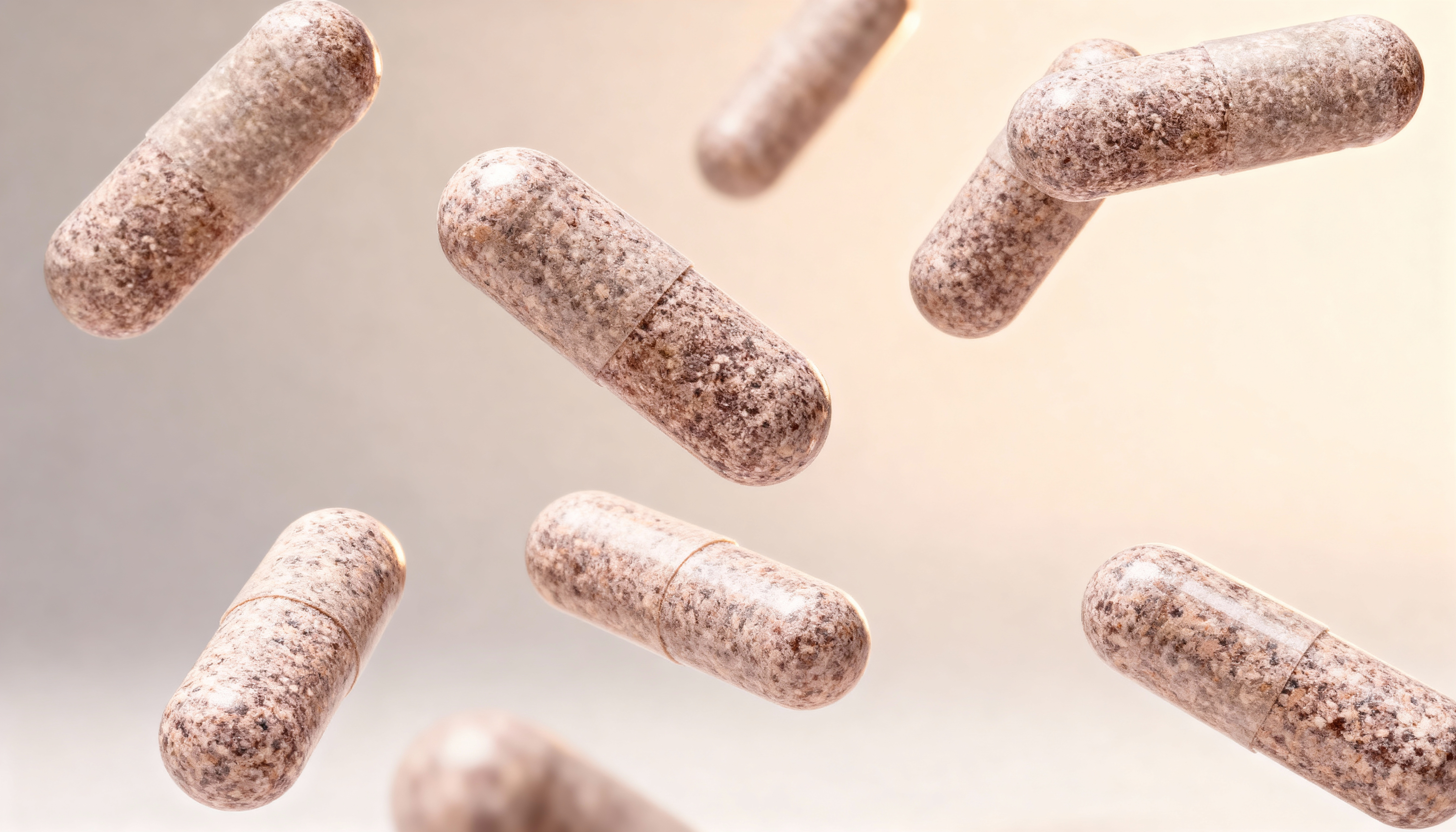
One example is Bōndia, a plant-sourced daily synbiotic capsule studied in postmenopausal women. In a randomized, placebo-controlled clinical trial, Bōndia reduced the rate of bone loss by 85% in women with osteopenia.
4. Fall Reduction
Preventing fractures is not only about bone density. It’s also about reducing falls.
Improving balance, muscle strength, posture, vision correction, footwear, and home safety can all help lower fracture risk.
Osteoporosis Diagnosis: How Bone Loss Is Measured
Because osteoporosis is often symptomless, screening plays a critical role in early detection.
What Is a DEXA Scan Bone Density Test?
A DEXA (or DXA) scan is the standard test used to measure bone mineral density.
The DEXA scan is:
- Noninvasive
- Quick
- Widely available
- Used to estimate fracture risk

DEXA results are reported as T-scores:
- Normal bone density: -1.0 or above
- Osteopenia: between -1.0 and -2.5
- Osteoporosis: -2.5 or lower

A T-score is important, but it’s not the only factor clinicians consider when diagnosing osteoporosis. Your healthcare provider may also evaluate:
- Fracture history
- Age
- Menopause timing
- Medication use
- Family history
- Body composition
- Fall risk
When Should You Get a Bone Density Test?
Routine osteoporosis screening often begins at age 65, but we encourage testing starting at age 45. An earlier DEXA scan can provide visibility into bone loss years before symptoms develop. And it gives you a baseline to compare with your future DEXA results.
Earlier testing especially makes sense for people with:
- Early menopause
- Previous fractures
- Family history of osteoporosis
- Long-term steroid use
- Osteopenia risk factors

Osteoporosis Treatment Options: What Happens After Diagnosis?
An osteoporosis diagnosis is not just about a bone density score. It’s about understanding fracture risk and building a plan to protect long-term mobility and independence.
Ask Your Doctor About Underlying Causes of Bone Loss
Understanding what’s driving bone loss helps guide treatment decisions more effectively.
Your healthcare provider may evaluate:
- Vitamin D levels
- Thyroid and hormone function
- Kidney health
- Medication effects
- Nutrient absorption
- Fall risk factors
Lifestyle Interventions for Osteoporosis
Lifestyle changes are foundational even after an osteoporosis diagnosis.
Osteoporosis treatment plans often include:
- Strength training
- Weight-bearing exercise
- Nutrition support
- Fall prevention
- Balance and mobility work
Osteoporosis Medications
For people at higher fracture risk, medications may help slow bone breakdown or stimulate new bone formation.
Common osteoporosis treatment options include:
What To Do During Osteoporosis Awareness and Prevention Month
Osteoporosis Awareness and Prevention Month is a reminder that bone health deserves attention long before a fracture happens.
Bone loss may be silent, but it is not invisible. You can measure it earlier. You can support it proactively. And in many cases, you can slow its progression before osteoporosis significantly affects your daily life.
This May, focus on three things:
- Measure your osteoporosis risk and consider bone density screening
- Build bone strength through resistance and weight-bearing movement
- Support bone health through nutrition and gut health
Bōndia is a pre + probiotic capsule designed to support bone health through the gut–bone axis. If you’re building a bone health plan with your clinician, Bōndia may be a daily routine to discuss as part of that strategy. Learn more about the science behind Bōndia.
Frequently Asked Questions About Osteoporosis
Why is osteoporosis called the silent killer?
Osteoporosis is called the silent disease because bone loss develops gradually and often without symptoms. Many people do not know they have osteoporosis until they experience a fracture from a minor fall or everyday movement.
Is osteoporosis a disability?
Osteoporosis alone is not automatically considered a disability. However, severe osteoporosis or fractures related to osteoporosis may qualify as disabling if they significantly impair mobility or daily functioning.
What are the signs of osteoporosis?
Early osteoporosis often has no symptoms. As bone loss progresses, signs may include fractures from minor falls, height loss, stooped posture, or back pain related to spinal compression fractures.
What is the average T-score for a 70-year-old woman?
Bone density varies widely between individuals, but average T-scores generally decline with age, especially after menopause. Many women in their 70s fall within the osteopenia range (T-score between -1.0 and -2.5), though fracture risk depends on far more than a single number.
What is the life expectancy of someone with osteoporosis?
Osteoporosis itself does not directly determine life expectancy, but fractures — especially hip fractures — can significantly affect mobility, independence, and overall health outcomes in older adults.
How can I increase my bone density without medication?
Bone density may be supported through resistance training, weight-bearing exercise, adequate protein intake, calcium and vitamin D, fall prevention, and improving overall muscle strength and balance.


