

Most people think bone loss starts with osteoporosis. It doesn’t always. It usually begins with osteopenia.
Osteopenia is early-stage bone loss with lower-than-normal bone density (T-score -1.0 to -2.5), while osteoporosis is a more severe condition (T-score ≤ -2.5) that significantly increases fracture risk. Osteopenia is a warning stage where prevention is most effective.
This isn’t a niche issue. Nearly half of adults over 50 have either osteopenia or osteoporosis, and fracture risk affects both women and men. Worldwide, one in three women and one in five men over age 50 will experience a fracture related to osteoporosis. In the U.S., about 2 million men already have osteoporosis, with another 12 million at risk due to osteopenia.
Understanding the difference between osteopenia vs. osteoporosis is about timing. Earlier awareness creates the opportunity to protect bone density, mobility, and independence before fractures change the conversation.

Osteopenia Symptoms
Osteopenia is often called a “silent” condition because it typically has no noticeable symptoms. Most people don’t feel bone loss as it happens, which is why it’s often first identified through a DEXA scan rather than physical signs.
In some cases, subtle indicators may appear over time, such as decreased strength, changes in posture, or a history of minor fractures. But these are not reliable early signals. By the time symptoms are noticeable, bone loss has usually been progressing for years.
This is why early screening matters. Osteopenia is not something you wait to feel; it’s something you measure.
How to Fight Osteopenia
Fighting osteopenia starts with understanding that it’s not just a calcium problem—it’s a bone remodeling problem.
Effective strategies focus on:
- Weight-bearing and resistance exercise to stimulate bone formation
- Adequate protein and nutrient intake to support bone structure
- Reducing chronic inflammation, which accelerates bone breakdown
- Supporting absorption through gut health
Calcium and vitamin D play a role, but they are not sufficient on their own. The goal is to slow bone breakdown while supporting new bone formation.
Emerging approaches also target the gut-bone axis, where immune signaling and inflammation influence how bone is lost or maintained over time.
Osteoporosis Symptoms
Unlike osteopenia, osteoporosis is more likely to present with medical symptoms, often after significant bone loss has already occurred.
Common signs include:
- Fragility fractures (especially in the hip, spine, or wrist)
- Loss of height over time
- Stooped posture or spinal curvature
- Back pain related to vertebral fractures
But, even osteoporosis can progress without obvious warning signs. In most cases, the first symptom is a fracture.
This is why osteoporosis is often described as a disease of delayed detection. The underlying bone loss happens long before the consequences become visible.
How to Fight Osteoporosis
Managing osteoporosis requires a more comprehensive and often more intensive approach.
This may include:
- Prescription medications to reduce fracture risk or slow bone breakdown
- Exercise programs focused on strength, balance, and fall prevention
- Nutritional support, including calcium, vitamin D, and protein
- Addressing underlying drivers of bone loss such as inflammation, hormonal changes, and gut absorption issues
At this stage, the goal shifts from prevention to slowing progression and reducing fracture risk.
Emerging research continues to highlight the role of systemic factors such as inflammation and gut health in influencing bone loss. Supporting these pathways can complement traditional approaches as part of a whole bone health strategy.
Osteopenia vs Osteoporosis: Key Differences at a Glance
|
Category |
Osteopenia |
Osteoporosis |
|
Bone Density |
Below normal |
Significantly reduced |
|
T-Score (DXA) |
-1.0 to -2.5 |
≤ -2.5 |
|
Symptoms |
Usually none |
Fractures, back pain, height loss |
|
Fracture Risk |
Elevated |
High |
|
Diagnosis |
DXA scan |
DXA scan |
|
Treatment Approach |
Lifestyle + prevention |
Medications often required |
How Are Osteopenia and Osteoporosis Diagnosed?
Both conditions are diagnosed using a DEXA (or DXA) scan, which measures bone mineral density and reports results as a T-score:
- Normal bone density: -1.0 or higher
- Osteopenia: -1.0 to -2.5
- Osteoporosis: -2.5 or lower
A DEXA scan doesn’t just diagnose disease; it provides insight into the trajectory. When bone loss is identified early, there is far more opportunity to slow progression before fracture risk accelerates.

Prevention and Management Strategies for Osteopenia and Osteoporosis
Lifestyle & Exercise
- Weight-bearing exercise (walking, hiking)
- Resistance training (weights, bands)
- Balance training (yoga, tai chi)
- Avoid smoking and drinking alcohol
Nutrition
- Adequate protein intake
- Calcium (1,200–1,500 mg/day for adults 50+)
- Vitamin D3 (800–1,000 IU/day)
Medications
- Usually not first-line for osteopenia
- Commonly prescribed for osteoporosis (e.g., bisphosphonates, hormone therapy)
An Emerging Tool in Bone Support: Bōndia
As research evolves, scientists are increasingly focused on the gut-bone connection and its role in bone remodeling, inflammation, and nutrient absorption.
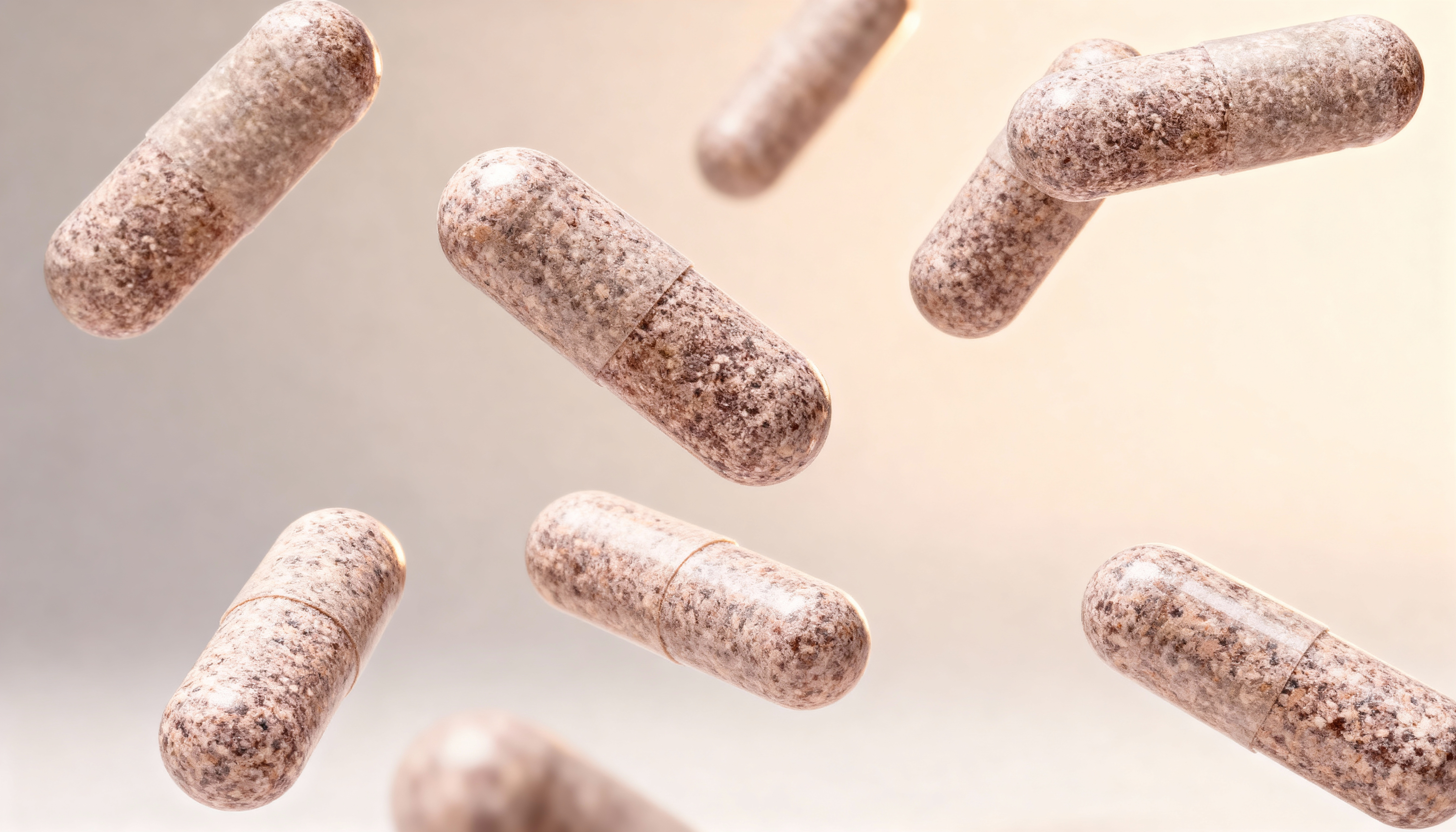
One clinically studied option is Bōndia, a medical food designed to support bone health by targeting gut-related inflammation and nutrient absorption. Bōndia is a synbiotic, combining probiotics and prebiotics to support a healthy gut microbiome—which plays a role in modulating bone remodeling.
What the Clinical Research Shows
In a year-long, randomized, double-blind, placebo-controlled clinical trial, Bōndia:
- Improved bone density by 85% in women with osteopenia
- Reduced osteoclast activity, slowing the breakdown of bone
- Increased gut barrier integrity and lower inflammation
Bondia may be particularly helpful for postmenopausal women or anyone with osteopenia looking for non-pharmaceutical, science-backed support alongside diet and exercise. While it’s not a replacement for medications in advanced osteoporosis, it’s a powerful preventive tool for those in the early stages of bone loss, which is particularly important since more fractures actually occur in people with osteopenia, simply because the condition is far more common.
Talk to your healthcare provider before starting any new supplement or medical food, especially if you’re already being treated for bone disease.
Questions to Ask Your Healthcare Provider
- Should I get a DEXA scan and how often?
- What’s my T-score, and where do I fall on the spectrum?
- Are there any signs of bone loss I should watch for?
- How can I safely start exercising for bone strength?
- Are medical foods like Bōndia appropriate for me?
- What’s my fracture risk, and how can I reduce it?
The Bottom Line
The difference between osteopenia vs osteoporosis isn’t just a label; it’s an opportunity.
Osteopenia is often the earliest signal that bones need support. Recognizing it early can open the door to prevention, preserve bone density, and reduce fracture risk long before osteoporosis develops.
For people with osteopenia or early bone loss, Bōndia offers a clinically studied, non-pharmaceutical way to support bone density through the gut–bone axis.
Frequently Asked Questions About Osteopenia and Osteoporosis
Can osteopenia be reversed?
Osteopenia can sometimes be improved, but “reversal” isn’t always the right goal. Bone density can stabilize or increase with the right interventions—especially when you address it early—but the main goal is to slow or stop further bone loss.
Effective strategies focus on weight-bearing exercise, adequate nutrition, reducing inflammation, and supporting how the body absorbs and uses nutrients. In some cases, targeted therapies or medical foods can also be part of a comprehensive approach.
How fast does osteopenia turn into osteoporosis?
There’s no fixed timeline for osteopenia progressing to osteoporosis. The rate of bone loss varies based on factors like age, hormonal changes (especially menopause), inflammation, lifestyle, and overall health.
For some people, bone density declines slowly over many years. For others, especially during menopause, bone loss can accelerate significantly over a shorter period of time. This is why regular monitoring with DEXA scans is important. Monitoring helps track changes over time and identify when intervention is needed.


