


If you’re wondering what questions to ask your OB-GYN about bone loss, start here. Bone loss doesn’t feel like anything, until it does.
There’s no pain. No clear starting point. No warning signs. For many women, the first signal is a bone density test (DEXA scan) that comes later than it should—or a fracture that changes everything.
Bone density screening often begins at age 65. But bone loss frequently starts earlier, especially during perimenopause and menopause, when bone breakdown accelerates.
Your OB-GYN is often the clinician who sees you most consistently during this phase. That makes them a critical partner in identifying risk early and taking action before bone loss progresses.
These are three questions to bring to your next appointment, and what you’re really trying to understand with each one.
1. Am I at Higher Risk for Bone Loss Based on My History?
Bone loss isn’t the same way for everyone. Understanding your personal risk profile helps determine when to begin bone density screening, and how proactive you should be.
Ask:
- “Does my family history affect my risk?” (osteoporosis, hip fractures, vertebral fractures)
- “Does my menstrual history or menopause timing matter?” (early menopause, irregular cycles, surgical menopause)
- “Do any of my medications affect bone?” (for example, long-term steroids)
- “Does my body composition or weight change my risk?”
Why it matters: Risk factors influence both when bone loss begins and how quickly it progresses. Bone density doesn’t decline on a fixed schedule. It responds to what’s happening in your body.

2. When should I get a baseline bone density test?
Bone density peaks around age 35. From there, it gradually declines and often accelerates during the menopause transition.
Routine bone density screening typically starts at 65. But that doesn’t mean your bones are stable until then.
Ask:
- “Should I get a baseline DEXA scan now?”
- “If not now, what specific milestone would trigger it—age, symptoms, menopause timing, or risk factors?”
If your OB-GYN says you don’t qualify yet, ask:
- “Can we document my risk factors and revisit this in 6-12 months?”
- “Is there another way to monitor my risk in the meantime?”
Why it matters: A baseline DEXA scan gives you visibility into something you can’t feel, and makes changes over time measurable. Without it, you’re guessing.
3. How should my DEXA scan results be interpreted?
A DEXA scan gives you numbers: T-scores (and sometimes Z-scores). What matters is what those numbers mean—and what to do next.
Ask:
- “What would count as ‘normal,’ ‘osteopenia,’ and ‘osteoporosis’ for me?”
- “Which areas matter most: hip, femoral neck, or spine?”
- “If I’m in the osteopenia range, what does that mean for my fracture risk?”
- “What would we do differently based on my results?”
Why it matters: Osteopenia is a sign of early bone loss—and a key indicator of future fracture risk. It’s often the most actionable stage, when bone loss can still be slowed with the right approach.
Ask Questions To Get a More Complete View of Bone Health
For years, bone health has largely been framed around calcium and vitamin D.
But bone loss is also influenced by:
- Hormonal changes
- Inflammation
- How your body absorbs and uses nutrients
In other words: It’s not just what you take. It’s how your body uses it.
Emerging research highlights the role of the gut–bone axis: how gut health influences inflammation and bone remodeling.
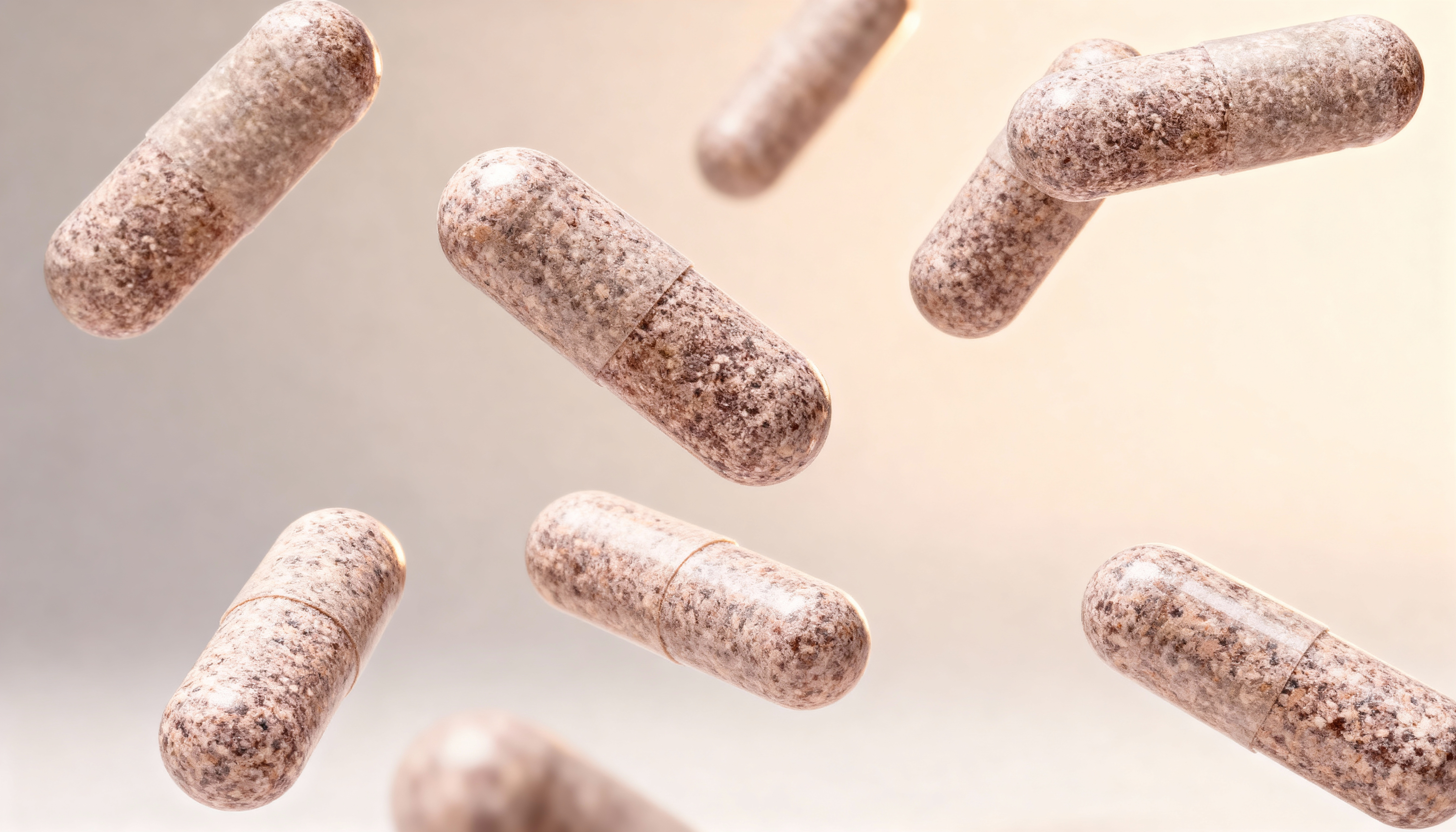
One example is Bōndia, a plant-based probiotic + prebiotic formula designed to help reduce bone loss by working through the gut.
In a 12-month randomized, placebo-controlled clinical trial of 286 postmenopausal women, Bōndia reduced bone loss by up to 85% in higher-risk groups.
It’s one of several options worth discussing with your doctor as part of a broader health plan.
The Bottom Line
Bone loss is quiet, but it’s not random. It follows patterns, responds to biology, and often begins earlier than most people expect.
Asking the right questions gives you something most women don’t have: clarity. And with clarity comes the ability to act earlier, make informed decisions, and protect your bone health over time.
Because what you do now shapes how you age.


