
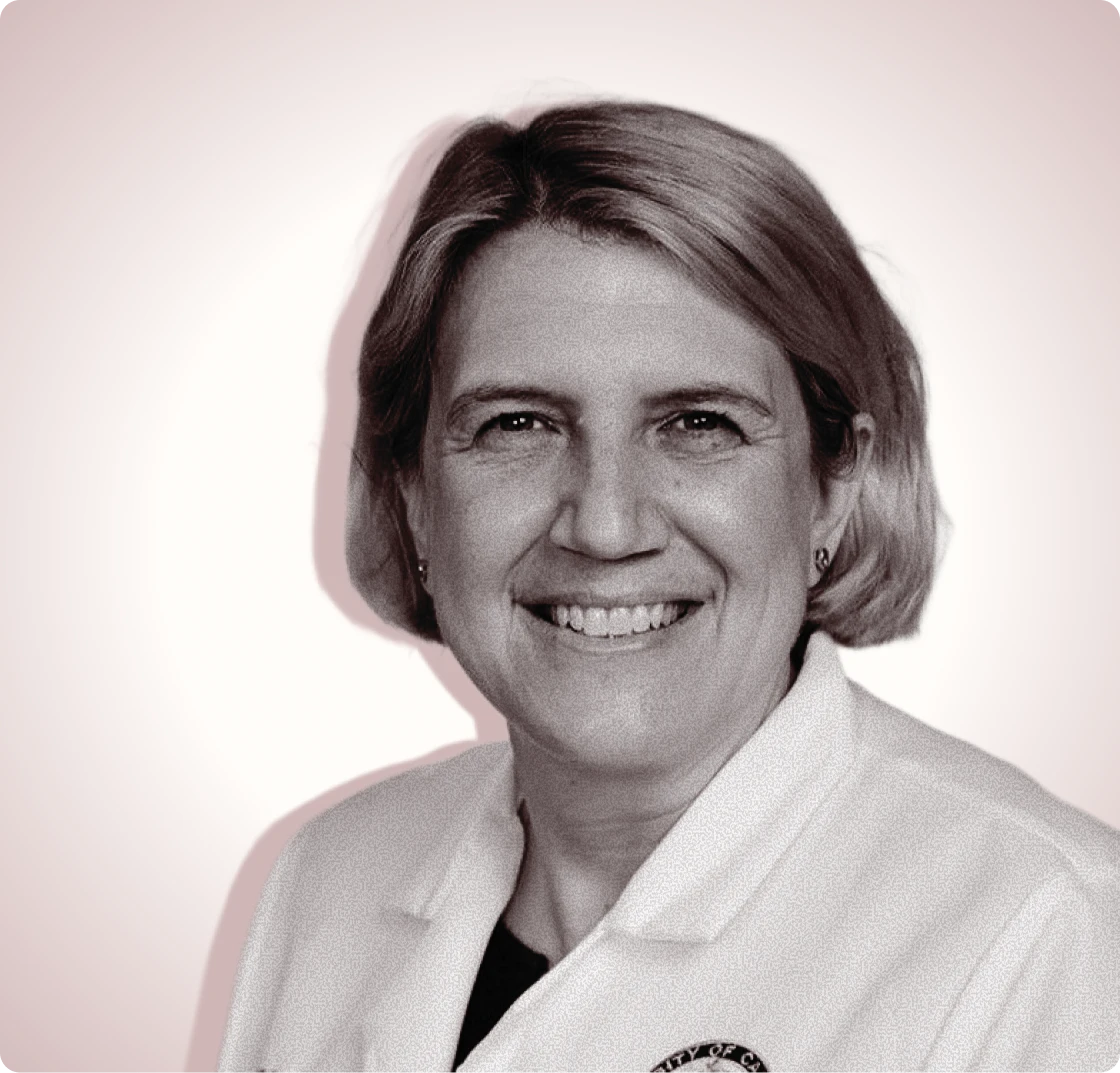
Susan Bukata, MD
Chair, Department of Orthopedic + Surgery, UC San Diego
EARLY ADOPT 20% OFF • CODE: LIFETIME20

Bone Loss Starts Early. Empowerment Starts Now.
Most people don’t learn how their bones age until a late DEXA scan forces the conversation. You deserve better. Understanding your bones is the first step toward protecting them.
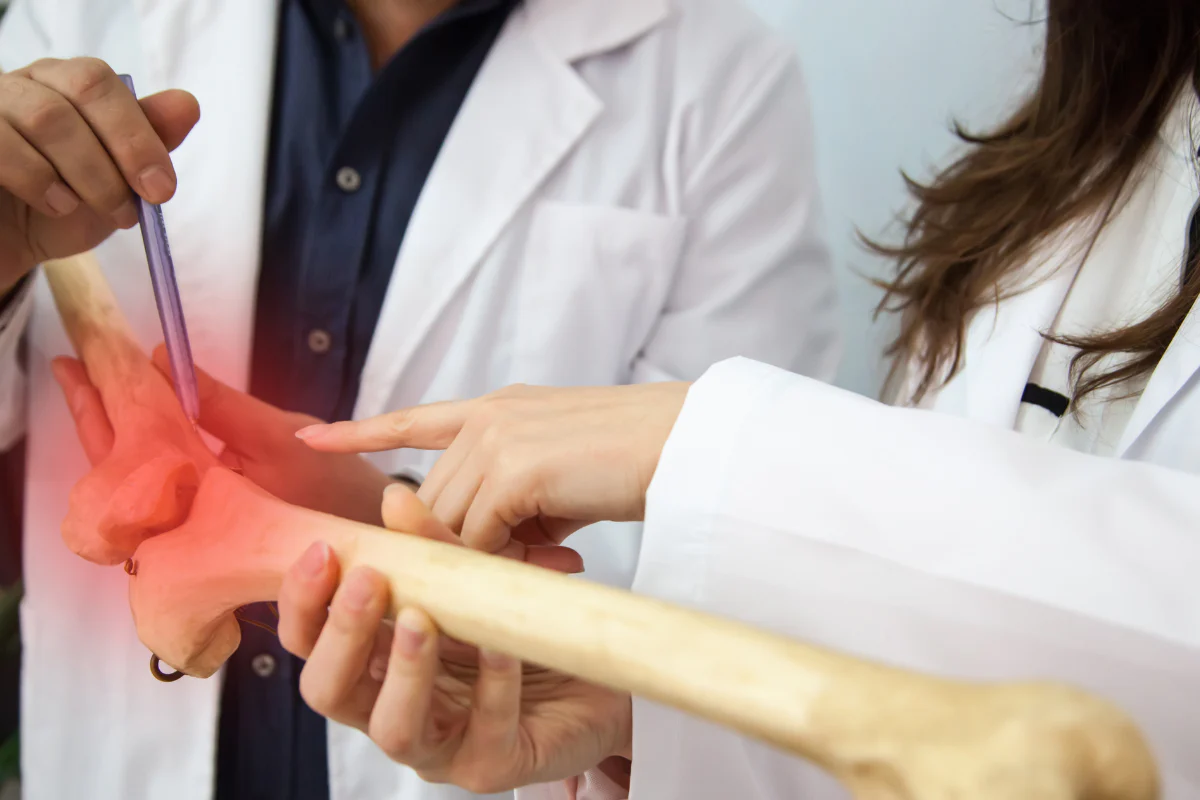
Healthy bones remodel themselves all day, every day. Two major players run the show: osteoclasts (the cells that break down old or damaged bone) and osteoclasts (the cells that build new bone).
When we’re young, the osteoblast builders keep pace with the osteoclast breakers. Beginning in our 30s, that balance shifts, and the breakers begin to dominate.That shift is where bone loss begins.
Healthy skeletal density reflects a strong balance between bone breakdown and bone formation, allowing your bones to stay durable, resilient, and capable of supporting everyday movement.
Osteopenia is a warning-stage reduction in bone density in which bones become significantly weaker, but not yet fragile enough to qualify as osteoporosis.
Osteoporosis is a serious condition in which bone density has dramatically declined, causing bones to become brittle, porous, and prone to fractures from even minimal stress.
Menopausal Bone Loss Changes Everything
When perimenopause hits, bone loss doesn’t ease in, it drops off a cliff, far more aggressively than what men experience gradually over their lifespan. This sudden decline isn’t rare or extreme; it’s the norm. It's ubiquitous, unfair, and comes with profound consequences.
Reid and McClung, Lancet Diabetes Endocrinol. 2024

Fragility By the Numbers
1
IN
2
women over 50 will suffer a fragility fracture.
A broken bone from a minor fall or bump–something that would not wouldn’t break a healthy bone
Kanis JA et al. Osteoporos Int. 2000;11(8): 669-674.
22%
of women die within 1 year following a hip fracture
And most hip break survivors are permanently robbed of their independence
Haentjens P et al. Osteoporos Int. 2010;152(6):380-390.
80%
of women over 65 will die within 9 years of a hip fracture
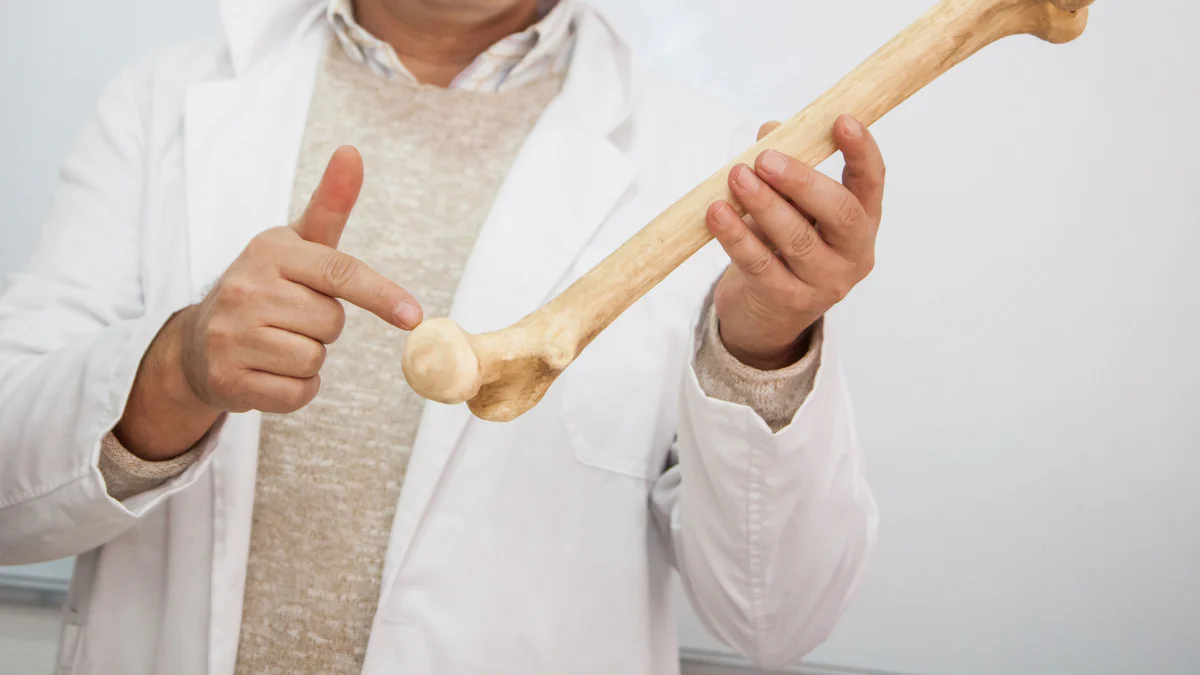
Bōndia’s most powerful protection is seen where hips are more likely to break: the femoral neck.
Paula J et al. BMC Musculoskelet Disord. 2011;12:105.

The Silent Epidemic We Need to Talk About
Every 3 seconds, osteoporosis breaks a bone.* More women are hospitalized for fragility fractures than for breast cancer, heart attack, or stroke, yet interventions start too late—until now.
*Ganesan K, Jandu JS, Anastasopoulou C, et al. Secondary Osteoporosis. [Updated 2023 Mar 2]. In: StatPearls
MORE THAN MENOPAUSE
Many Factors Increase Your Risk of Fragility Fractures
Bone loss isn’t solely driven by one thing. You can seem perfectly healthy while quietly losing bone beneath the surface, and there’s no shame in that.
While we can’t control every factor on this list, we can influence how our bones respond to them. Bōndia is a safe, simple, daily habit designed to target the gut-bone axis, counteract the realities that accelerate bone loss, and help you proactively protect your long-term resilience.
SEE THE FULL LIST
•
Peri/Menopause
•
Premature Menopause
•
High BMI (Body Mass Index)
•
Hyperthyroidism
•
Elevated Body Fat + High Visceral Fat
•
Hypogonadism
•
Smoking
•
Chronic Malnutrition or Malabsorption
•
History of Eating Disorders
•
Daily Alcohol Consumption
•
Family or Personal History of Fracture
•
Chronic Liver Disease
•
Chronic Renal Failure
•
Rheumatoid Arthritis
•
Chronic Inflammation
•
Type I Diabetes
•
Glucocorticoid Use (e.g., Prednisone)
•
Rapid Weight Loss






AN EXPERT COLLECTIVE
Our Clinical + Scientific Guides
Meet Bōndia
Severe bone loss doesn’t have to define your future. Our clinically proven, plant-sourced synbiotic breakthrough helps you support bone health early and protect what matters most—your quality of life.
SHOP BŌNDIA
SEE HOW BŌNDIA WORKS
Estrogen-Free • Allergen-Free • Low FODMAP • Vegan • Gluten-Free • Non-GMO • 100% Fruit + Vegetable + Fermented Food Based • Clinically Proven • Gold-Standard Scientific Rigor •
Estrogen-Free • Allergen-Free • Low FODMAP • Vegan • Gluten-Free • Soy-Free • Non-GMO • 100% Fruit + Vegetable + Fermented Food Based • Clinically Proven • Gold-Standard Scientific Rigor •
Estrogen-Free • Allergen-Free • Low FODMAP • Vegan • Gluten-Free • Soy-Free • Non-GMO • 100% Fruit + Vegetable + Fermented Food Based • Clinically Proven • Gold-Standard Scientific Rigor •
Estrogen-Free • Allergen-Free • Low FODMAP • Vegan • Gluten-Free • Soy-Free • Non-GMO • 100% Fruit + Vegetable + Fermented Food Based • Clinically Proven • Gold-Standard Scientific Rigor •
Estrogen-Free • Allergen-Free • Low FODMAP • Vegan • Gluten-Free • Non-GMO • 100% Fruit + Vegetable + Fermented Food Based • Clinically Proven • Gold-Standard Scientific Rigor •
Estrogen-Free • Allergen-Free • Low FODMAP • Vegan • Gluten-Free • Soy-Free • Non-GMO • 100% Fruit + Vegetable + Fermented Food Based • Clinically Proven • Gold-Standard Scientific Rigor •
Estrogen-Free • Allergen-Free • Low FODMAP • Vegan • Gluten-Free • Soy-Free • Non-GMO • 100% Fruit + Vegetable + Fermented Food Based • Clinically Proven • Gold-Standard Scientific Rigor •
Estrogen-Free • Allergen-Free • Low FODMAP • Vegan • Gluten-Free • Soy-Free • Non-GMO • 100% Fruit + Vegetable + Fermented Food Based • Clinically Proven • Gold-Standard Scientific Rigor •
EMAIL OUR TEAM
What is a DEXA scan and why are people getting them too late?
A1: A DEXA (dual-energy X-ray absorptiometry) scan measures bone mineral density—the gold standard for detecting osteopenia and osteoporosis. The problem: standard screening doesn't begin until age 65, yet rapid bone loss starts during perimenopause, often in your late 40s or early 50s. By age 65, nearly 80% of women already have low bone mass or osteoporosis. This 10-15 year gap means most women accumulate significant bone loss during the period when intervention could be most effective. Talk to your healthcare provider about earlier baseline screening, especially if you're perimenopausal or recently menopausal.

What are fragility fractures and why do they matter?
Fragility fractures are breaks from minor trauma—a fall from standing height, a bump, or strong cough—that wouldn't break healthy bone. Nearly half of women over 50 will experience one. Hip fractures carry a 5.75-fold increased risk of death in the first three months and substantially reduce independence. Fragility fractures cause more hospitalizations annually than breast cancer, heart attack, and stroke combined—a silent epidemic that robs women of mobility, confidence, and years of vitality, making early bone density protection critically important.

How do I know if I am at risk for a fragility fracture, osteopenia, or osteoporosis?
Key risk factors include being postmenopausal, elevated BMI (≥30) or body fat (≥40%), family history of osteoporosis or fractures, previous fracture, smoking, prolonged steroid use, certain autoimmune conditions, and early menopause. However, bone loss is silent—you can't feel it happening. The only way to know your bone health status is through DEXA scanning. Don't wait for standard screening at 65. Request a baseline scan in perimenopause or early menopause so you can preserve your bone density before fractures occur.
How does Bōndia help preserve my bone density?
Bōndia works through the gut-bone axis using three interconnected mechanisms: strengthening your intestinal barrier to reduce inflammatory "leaky gut," decreasing inflammatory cytokine production by immune cells, and inhibiting osteoclast activity—the cells that break down bone. Our proprietary combination of four plant-sourced probiotic strains works synergistically with prebiotic fibers to target the inflammation driving postmenopausal bone loss. In our clinical trial, this approach reduced bone loss by up to 84.5% in women with osteopenia and 73.7% in women with elevated BMI after one year.
What makes hip fractures so dangerous and how does Bōndia help?
What makes hip fractures so dangerous and how does Bōndia help?
A5: Hip fractures carry a 5.75-fold increased mortality risk in the first three months and dramatically reduce independence—many survivors never return to their previous mobility. They often require surgery, extended hospitalization, and lengthy rehabilitation. In our clinical trial, Bōndia significantly reduced hip bone loss by 73.7% in women with BMI ≥30 and by 59.5% in women with elevated body fat (≥40%). By preserving hip bone density during critica perimenopausal and postmenopausal years, Bōndia helps protect against the fractures that most threaten future independence.
How does HRT in menopause impact bone health?
Hormone Replacement Therapy (HRT) can effectively manage perimenopausal bone loss but has significant limitations: must start within 10 years of menopause or before age 60, often limited to 5 years due to cardiovascular and breast cancer risk associations, and contraindicated for women with history of cardiovascular disease, stroke, or liver disease. Despite availability, only 10.5% of women experiencing menopausal symptoms use HRT, largely due to safety concerns. Bōndia offers a complementary approach through the gut-bone axis—a safe, clinically validated solution for women who cannot use, choose not to use, or have completed HRT, filling a critical gap in bone health management.

Science, Made Digestible
Join our community of seekers, scientists, and changemakers. Be the first to hear about new discoveries, breakthroughs, and proof that better care is growing here.
We’re here to help
Monday to Friday 7am - 7pm ET


