


Pickleball injuries are no longer a quirky side effect of the U.S.’s fastest-growing sport. They’re a measurable trend, especially among older adults. Recent analyses using U.S. emergency-department surveillance data show pickleball-related fractures have surged over the past two decades, with many occurring in players in their 60s.
The good news is that most of what puts people on the sidelines could be proactively addressed. Better balance and strength, smarter progression, and more attention to bone health (the quiet variable behind “it was just a fall”) can meaningfully change outcomes.

Why Pickleball Injuries Happen and Why They’re Climbing
The pickleball court is small, the rallies are quick, and the movement demands are sneaky: rapid lateral shuffles, sudden stops, short sprints forward, and awkward reaches for low balls. That combination taxes balance and reaction time—two things that tend to decline with age unless you deliberately train them.
The Data Matches What Orthopedists Are Seeing in Picklers
Fractures are a standout concern. A NEISS-based analysis of pickleball-related fractures from 2002–2022 reported a dramatic increase over time, translating to an estimated thousands of fractures per year in recent years.
A related AAOS press release (based on NEISS fracture trends) highlighted that the sharp rise is concentrated in older players, especially those in their 60s.
Separately, a 10-year national look at orthopedic injuries tied to pickleball (also leveraging NEISS methodology) reinforces that the sport’s rapid growth has come with a real increase in injury burden, prompting calls for stronger, preventative education.
And yes, it’s expensive. A UBS-based estimate widely reported in 2023 suggested pickleball injuries could drive hundreds of millions of dollars in annual healthcare costs, reflecting ER visits, outpatient care, and surgeries.

Common Pickleball Injuries and What Usually Causes Them
You don’t need to be reckless to get hurt. You just need the wrong moment: fatigue + speed + a hard surface.
Here are the patterns clinicians and injury datasets repeatedly flag:
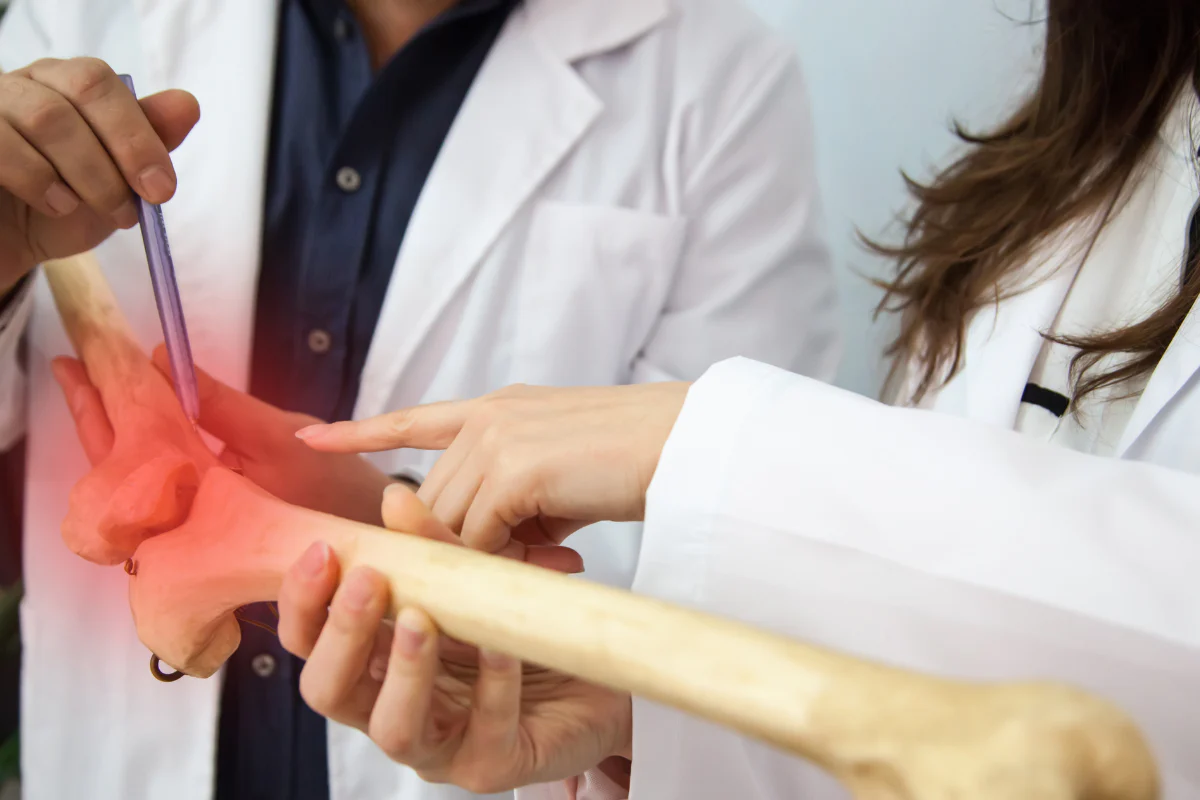
1) Wrist and forearm fractures from falls
A classic sequence: a lateral step → foot catches → fall → instinctive hand-out → wrist takes the force.
Why it matters: The injury is often less about pickleball skill level and more about balance, reaction time, and bone strength.
2) Ankle sprains and knee injuries from quick direction changes
Pickleball is a stop-and-go sport. Ankles and knees do a lot of braking.
Common drivers of ankle and knee injuries include:
- poor footwear for court traction
- weak lateral stabilizers (hips, glutes, ankles)
- playing too long before the body is conditioned
3) Overuse injuries: Achilles, elbow, shoulder, and back
These don’t always show up as one dramatic incident. Overuse injuries creep in with:
- too many sessions per week too soon
- no structured strength work
- technique issues (especially serving and repetitive backhands)

How to prevent pickleball injuries without giving up the fun
This is the “straightforward science” version. No gimmicks, just what the body needs.
Build Injury Resistance in 3 Buckets
1) Balance + deceleration (2–3x/week, 10 minutes)
2) Strength (2x/week, 20–30 minutes)
Prioritize:
- glutes/hips (side steps, hip hinges)
- calves/Achilles (slow calf raises)
- quads/hamstrings (split squats, step-ups)
- grip/forearms (farmer carries)
3) Smart progression
If you just got hooked, the danger zone is going from 0 to tournament energy in two weeks.
A simple rule: Increase total play time by no more than ~10–15% per week until your recovery feels boring again.
Don’t skip the warm-up (but keep it practical)
A warm-up should raise temperature and prime the movement you’ll do:
- brisk walk + side shuffles
- ankle circles + calf pumps
- a few controlled lunges
- practice swings before full power
The Overlooked Variable: Bone Health After 40
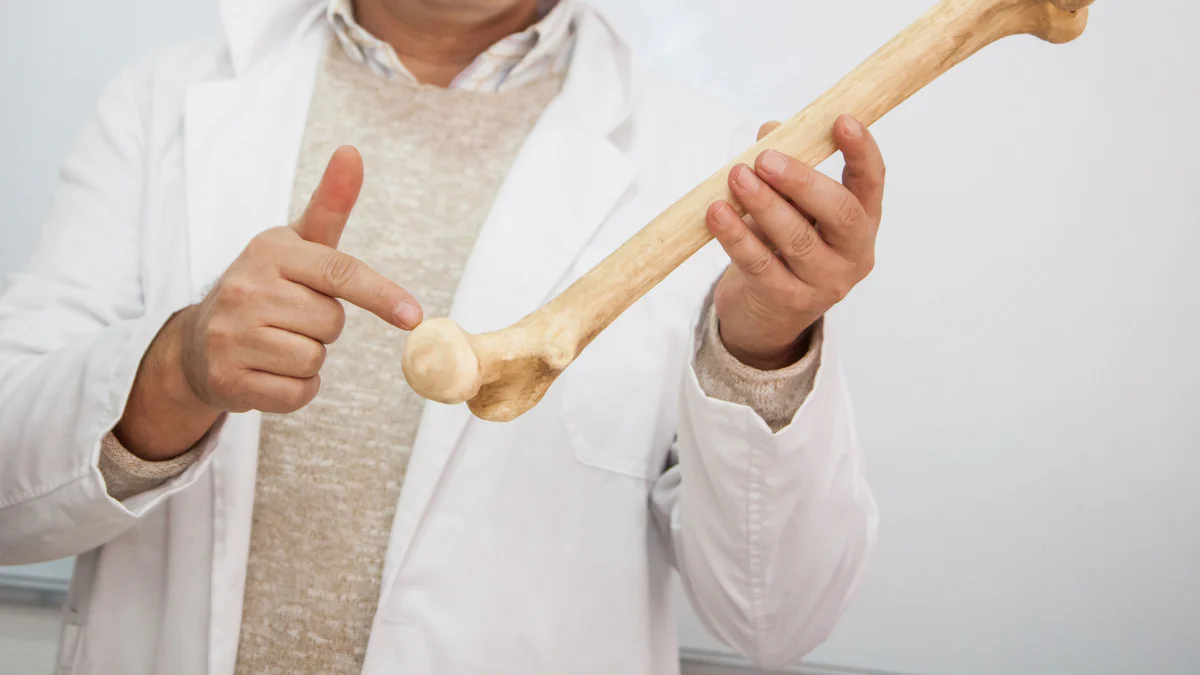
Here’s the uncomfortable truth: 27% of pickleball injuries are fractures, and fractures aren't just “bad luck.” They’re often the first loud signal of years of silent bone loss.
This matters most for:
- women in perimenopause and postmenopause (when bone loss accelerates)
- anyone with osteopenia (low bone mass)
- anyone who hasn’t had bone density assessed, but is playing hard, frequently
If you’re in midlife or beyond and you’re suddenly playing a high-repetition sport on a hard surface, it’s worth asking your clinician whether bone density testing makes sense for you—especially if you’ve had prior fractures, family history, early menopause, or other risk factors.

How To Support the Foundation that Keeps You Moving
Pickleball injury prevention isn’t just about avoiding falls. It’s also about supporting the biology that determines what happens if you do fall, and how resilient your body is under repeated impact, pivots, and micro-stresses.
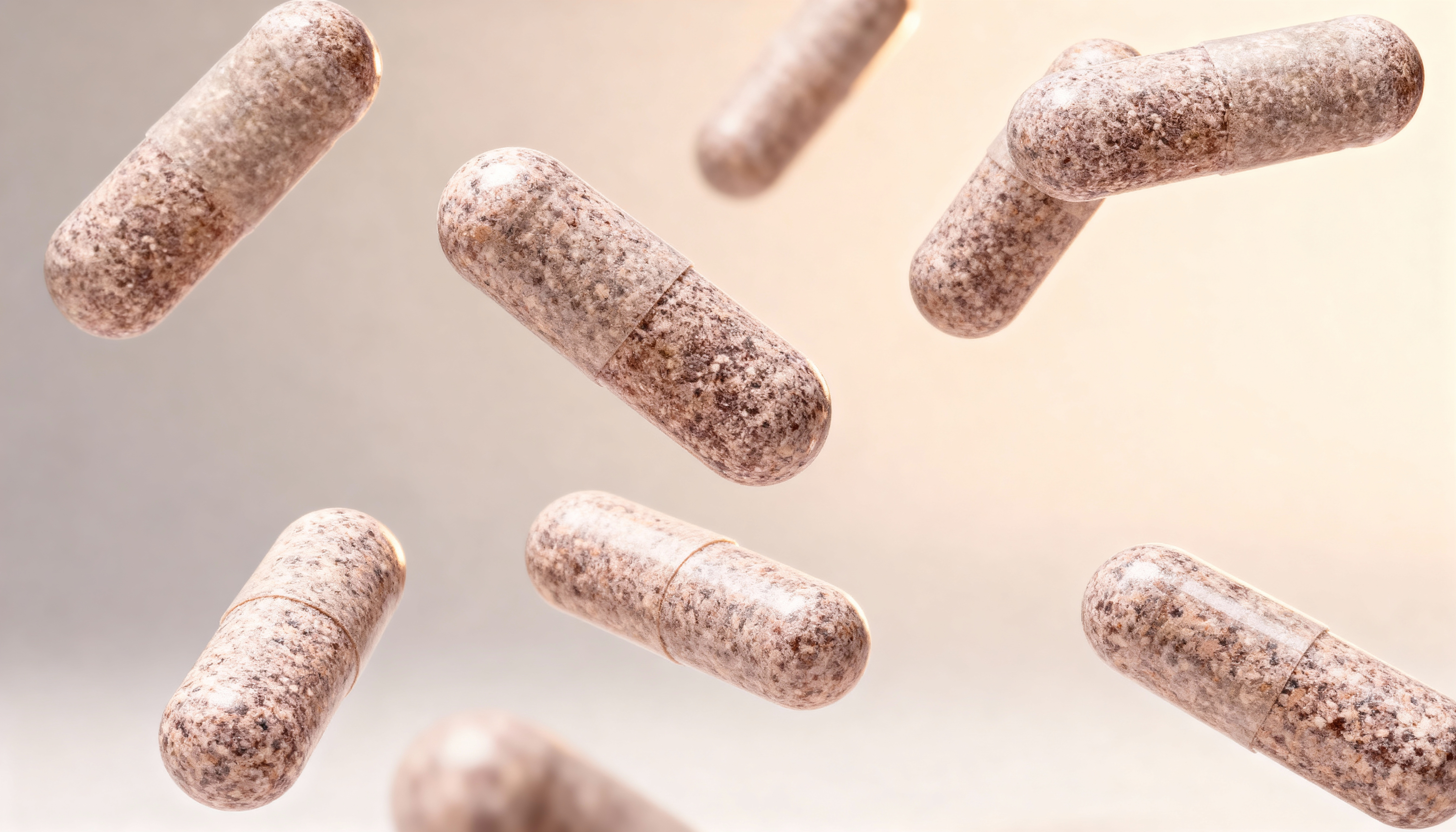
Bōndia is a plant-sourced synbiotic designed to support bone health by targeting the gut–bone axis—the link between gut barrier function, inflammation signaling, and bone remodeling.
In a 12-month randomized, double-blind, placebo-controlled clinical trial in 286 early postmenopausal women, Bōndia was associated with a meaningful reduction in the rate of bone loss in groups at higher risk, particularly:
- 85% reduction in women with osteopenia (low bone mass)
- 75% reduction in women with BMI ≥ 30
- 60% reduction in women with body fat ≥ 40%
A Practical “Stay-on-the-Court” Checklist
If you want a simple weekly plan that covers the bases:
- Play: 2–4 sessions/week (progress gradually)
- Strength: 2 sessions/week (hips, calves, legs, grip)
- Balance: 10 minutes, 2–3x/week
- Footwear: court shoes (not running shoes)
- Recovery: at least 1 full rest day/week
- Bone health: consider bone density screening if you’re in midlife, especially with risk factors
- Daily support: if you’re looking for a clinically studied option that supports bone health through the gut–bone axis, learn about Bōndia from Sōlaria Biō
The Bottom Line
Pickleball is worth protecting. Not just because it’s fun, but because it’s one of the rare activities people actually stick with—social, skill-based, and motivating.
But the injury trends are real, and the biggest risks aren’t mysterious. Build balance. Build strength. Progress your play like an athlete, not a weekend dare.
And if you’re serious about staying on the court for the long game, don’t ignore bone health—the silent variable that often decides whether a fall becomes a bruise… or a fracture.
Want to go deeper on the science? Explore the clinical evidence behind Bōndia and see how this synbiotic is designed to support bone health through the years.
This article is for educational purposes only and is not intended as medical advice. Always consult a qualified healthcare provider before starting or changing exercise routines.


