




Bone health is often treated as something to think about later in life—after a fracture, after a diagnosis, or after menopause. But bone loss doesn’t begin suddenly. It develops gradually, often without symptoms, over many years.
A DEXA scan bone density test is one of the few clinical tools that can measure bone density directly, offering insight into bone health long before osteoporosis is diagnosed. Understanding how this test works, and what its results actually mean, can help you have more informed conversations about your bone health at any stage of life.

What Is a DEXA Scan Bone Density Test?
A DEXA scan (sometimes written as DXA) stands for dual-energy X-ray absorptiometry. It’s a low-dose imaging test used to measure bone mineral density (BMD): an indicator of bone strength and fracture risk.
A DEXA scan bone density test is commonly used to identify osteopenia or osteoporosis and to track changes in bone density over time. It also measures body composition: total body fat percentage and fat distribution.
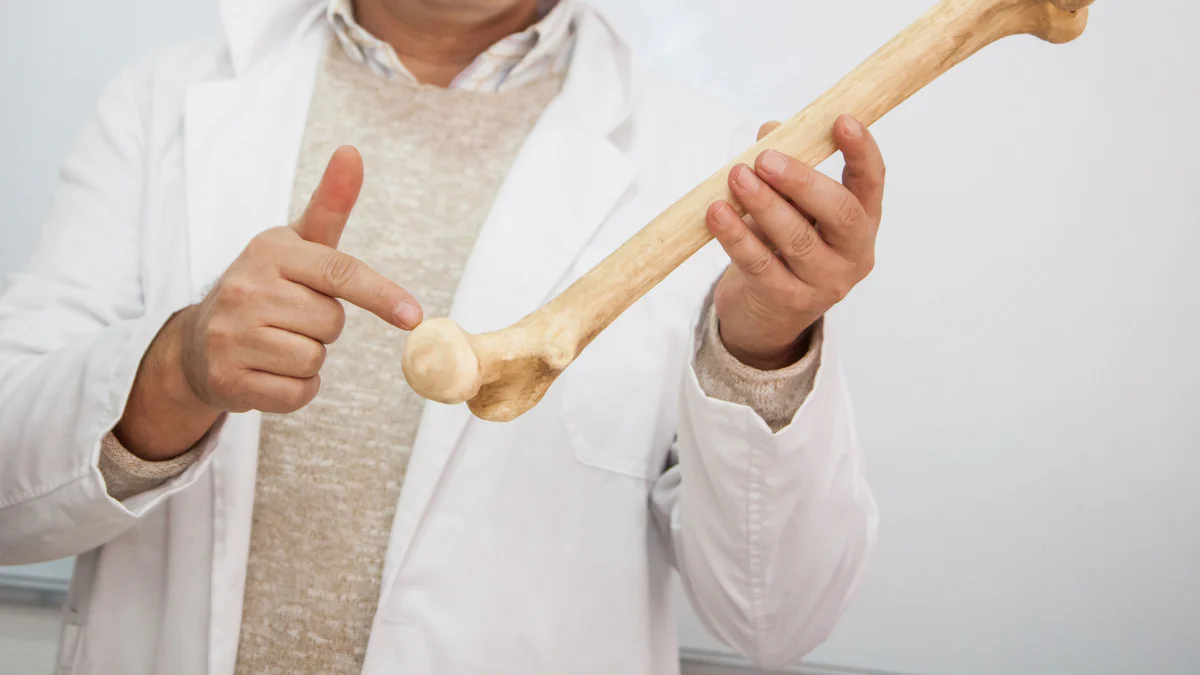
Bone density reflects how strong your bones are and how well they’re able to withstand everyday stress. Bones with lower density are more fragile and more likely to fracture, even from minor falls or routine movements.
DEXA scans are considered the gold standard for bone density testing because they are:
- Noninvasive
- Quick
- Highly precise
- Able to track changes in bone density over time
Unlike standard X-rays, which show bone structure, a DEXA scan provides quantitative data about how dense your bones are.

What Does a DEXA Scan Measure?
A DEXA scan measures the amount of mineral content, primarily calcium, within your bones. The most common areas scanned are:
- Hip
- Lower spine
- Sometimes the forearm/wrist
These sites are chosen because fractures in these areas are associated with significant health risks and are sensitive to changes in bone density over time.
The results help clinicians estimate your fracture risk and identify low bone density before a fracture occurs.
What Happens During a DEXA Scan?
A DEXA scan is noninvasive and typically takes 15-20 minutes.
Here’s what to expect:
- You’ll lie flat on a padded table while a scanning arm passes over your body
- The test is painless and doesn’t require injections or contrast
- Radiation exposure is very low, much less than a standard chest X-ray
- You can usually remain fully clothed (metal items should be avoided)
No recovery time is needed, and you can resume normal activities immediately.
Who Is a DEXA Scan Recommended For?
DEXA scans are most commonly recommended for:
- Women age 65 and older
- Men age 70 and older
- Anyone with a history of fractures, certain medical conditions, or long-term use of medications that affect bone health
However, by the time routine screening begins, bone loss is often already well underway, with many women already meeting criteria for osteopenia. Research from the International Osteoporosis Foundation suggests that one in three women and one in five men over age 50 will experience a fracture in their lifetime.
This has led to growing conversations about the value of earlier bone density testing, especially for people with risk factors such as:
- Family history of osteoporosis
- Early menopause
- Low body weight
- Certain autoimmune or endocrine conditions
A DEXA scan doesn’t diagnose disease on its own, but it can provide valuable baseline information earlier in life.

How to Read Your DEXA Scan Results
DEXA scan results are reported using two main scores:
T-score
The T-score compares your bone density to that of a healthy young adult.
- Normal: –1.0 or higher
- Osteopenia: Between –1.0 and –2.5
- Osteoporosis: –2.5 or lower
Importantly, osteopenia is not a benign finding. Research shows that a substantial proportion of fragility fractures occur in people with osteopenia, not osteoporosis, simply because osteopenia is more common.
Z-score
The Z-score compares your bone density to others of the same age, sex, and body size. This score is often used for premenopausal women and younger individuals.
Your clinician will interpret these scores in the context of your overall health, history, and risk factors.
What a DEXA Scan Can (and Can’t) Tell You
A DEXA scan is a powerful tool, but it’s not the full picture of bone health.
What it can tell you:
- Whether your bone density is within, below, or well below the expected range
- How your bone density changes over time
- Relative fracture risk
What it can’t tell you:
- Bone quality or bone turnover rate
- Why bone loss is occurring
- How your bones perform under real-world movement and loading
This is why DEXA results are best used as a starting point for conversation, not a standalone diagnosis.
What to Do After a DEXA Scan
After receiving your results, it’s important to review them with a healthcare provider. Depending on your results and risk profile, this conversation may include:
- Whether follow-up testing is needed
- How often bone density should be monitored
- Lifestyle factors that influence bone health
- When to consider bone health support like Bōndia
Tracking bone density over time, rather than focusing on a single number, can offer the most meaningful insight.
The Bottom Line
A DEXA scan bone density test is one of the most effective ways to understand bone health before fractures occur. While it’s often associated with later-life screening, earlier awareness can help identify bone loss sooner, when there may be more opportunity to act.
Bone health changes gradually. Having the right information at the right time can make those changes easier to understand and easier to address.
For those looking to support bone density early, Bōndia is a clinically proven, plant-sourced synbiotic designed to help slow bone loss through the gut–bone axis.
Frequently Asked Questions About DEXA Scans
What does a DEXA scan bone density test detect first?
A DEXA scan bone density test often detects osteopenia, or early bone loss, before osteoporosis develops. This makes it a valuable tool for identifying bone changes when there may be more opportunity to act.
How often should you get a DEXA scan?
How often you need a DEXA scan depends on your age, bone density results, and individual risk factors. For people monitoring bone loss or tracking changes over time, scans are often repeated every one to two years. Your clinician can help determine the right interval based on your circumstances.
Can men get DEXA scans?
Absolutely. Although osteoporosis is more commonly discussed in women’s health, bone loss also affects men as they age. DEXA scans can be an important tool for assessing bone health in men with risk factors or a history of fractures.
Is a DEXA scan safe?
DEXA scans use very low levels of radiation, much less than a standard chest X-ray. For most people, the test is considered safe, quick, and noninvasive.
Can bone density improve after a DEXA scan shows low bone density?
In some cases, bone density can stabilize or improve, depending on the underlying cause of bone loss and the steps taken afterward. A DEXA scan provides a baseline that can help guide future monitoring and conversations about bone health. In a gold-standard clinical study, Bōndia significantly slowed bone loss, resulting in an 85% improvement compared to placebo in women with osteopenia.
Does a DEXA scan diagnose osteoporosis?
A DEXA scan does not diagnose osteoporosis on its own. It measures bone mineral density, which is one part of assessing bone health. Diagnosis and treatment decisions are made by a clinician using DEXA results alongside medical history, risk factors, and other evaluations.


