


Robin Berzin, MD, founder and CEO of Parsley Health, shared something personal with her readers: at age 44, she was diagnosed with osteopenia.
For a physician who has spent years studying functional medicine and preventive health, her diagnosis was a reminder that bone loss can begin earlier than many people realize.
Her reflections on bone density, screening, and a preventative mindset highlight an issue that researchers and clinicians increasingly emphasize: bone loss often begins long before the healthcare system starts looking for it.
Her perspective aligns with a growing conversation in longevity and proactive medicine: bone health deserves attention decades before fractures occur.
“Women lose 10–20% of their total bone mass in their 40s and 50s. So the fact that most guidelines don’t recommend a DEXA scan until 65 is a travesty.”

Why Dr. Robin Berzin Says Bone Density Screening Happens Too Late
In one of her articles, Dr. Berzin described the moment she received her own DEXA results.
At 44, she discovered her hip T-score was –1.8, within the range of osteopenia.
“I’m one of the 26% of women 35–50 who have low bone density.”
For many clinicians, the surprising part isn’t the statistic. It’s how rarely bone density is evaluated during this stage of life.
Standard guidelines often recommend beginning routine DEXA screening at age 65 for women without risk factors. But by that point, substantial bone loss may already have occurred.
Dr. Berzin’s takeaway is simple:
“Everyone over 30 should have at least one full-body DEXA scan.”
Her reasoning reflects a proactive mindset increasingly shared by longevity-focused physicians: the earlier bone health is measured, the more options exist to influence its trajectory.

How Osteopenia Can Appear Earlier Than Expected
One reason early screening matters is that bone density follows a predictable biological arc. Peak bone mass is typically achieved by the late 20s or early 30s. After that, bone remodeling gradually shifts toward net loss.
During pregnancy and breastfeeding, calcium demands increase as the developing baby and milk production draw on maternal mineral stores. Certain hormonal contraceptives—particularly long-term use of some progestin-only formulations—have also been associated with reductions in bone mineral density in some women. Later, the hormonal changes of menopause can dramatically increase bone breakdown as estrogen levels decline.
Together, these transitions show how bone density is shaped across the full arc of women’s health, from reproductive years through menopause and beyond.
As Dr. Berzin explained:
“We tend to think of bone loss as a ‘later’ problem. But most women hit peak bone mass by age 30. After that, we start to lose more than we build.”
By the time menopause arrives, the pace of loss can accelerate significantly. In fact, women may lose 10–20% of total bone mass during their 40s and 50s.
Understanding that timeline is critical.
Dr. Berzin’s Approach to Protecting Bone Density
After getting her osteopenia diagnosis, Dr. Berzin outlined several strategies she believes can help protect bone density sooner in life.
Many of these approaches reflect well-established principles in bone biology:
- Resistance training and impact exercise: Compound movements such as squats and deadlifts can stimulate bone formation through mechanical loading.
- Nutrition to support bone remodeling: Adequate protein, minerals, and plant-rich diets provide key substrates for bone tissue.
- Hormonal support during menopause: Dr. Berzin notes that estrogen plays a central role in regulating bone remodeling, and early hormone therapy may help preserve bone density for some women.
Together, these strategies reflect a broader approach to skeletal health—one that views bone density as the outcome of multiple interacting systems, including hormones, nutrition, movement, and metabolism.
Why Bone Health Deserves Earlier Attention
Dr. Berzin’s experience underscores a larger point. Bone loss often develops silently for years before it becomes visible through fractures or advanced osteoporosis.
By the time fractures occur, substantial skeletal deterioration may already have taken place.
Earlier awareness, earlier screening, and earlier intervention could help change that trajectory.
Her diagnosis at 44 illustrates how bone density conversations are increasingly happening earlier, into the decades when prevention is still most effective.
The Bottom Line
Dr. Robin Berzin’s reflections highlight an important shift in how clinicians and longevity experts are thinking about bone health. Bone density is not just a concern for later life. It is a dynamic process shaped by decades of biology, lifestyle, and physiology.
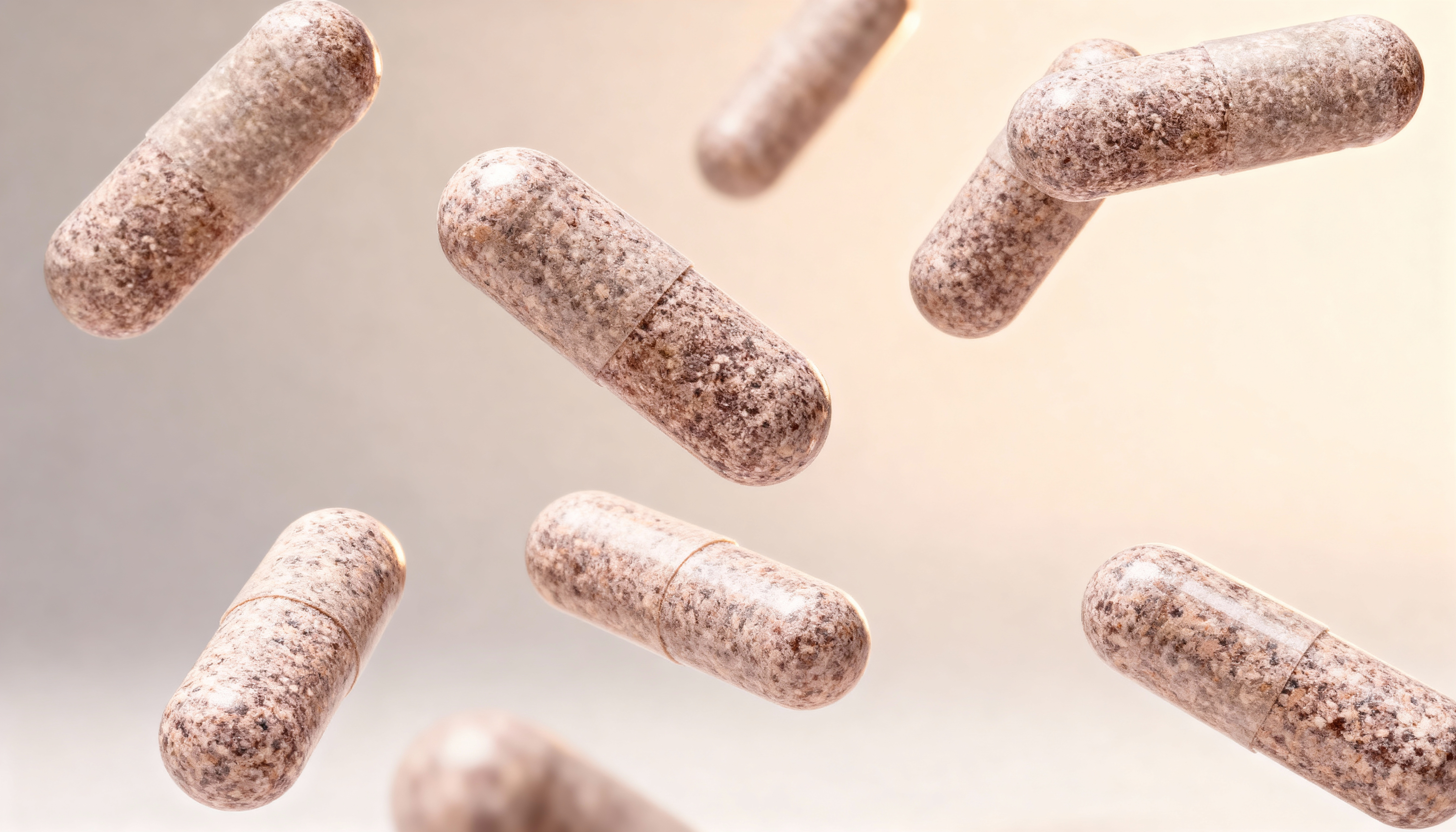
In a follow-up update on her own protocol, she also shared that she recently added Bōndia to her bone health strategy:
“I just started taking Bōndia, a next-gen probiotic that reduced hip bone loss by 85% in clinical trials [in women with osteopenia].”
For individuals exploring evidence-based approaches to bone health, reviewing the clinical data behind Bōndia may be a logical next step.


