




Bone health is often treated as something to worry about later. But research shows that bone loss can begin years before osteoporosis is ever diagnosed, often accelerating during midlife. In fact, nearly half of adults over age 50 already have low bone density. By the time fractures occur, the underlying biological changes have usually been in motion for a long time.
That’s why having a clear, proactive bone health checklist matters, especially for women in their 40s and 50s.
This guide is designed to help you understand what to pay attention to now, so you can support your bones before problems show up on a scan.

Why Bone Health Matters in Your 40s and 50s
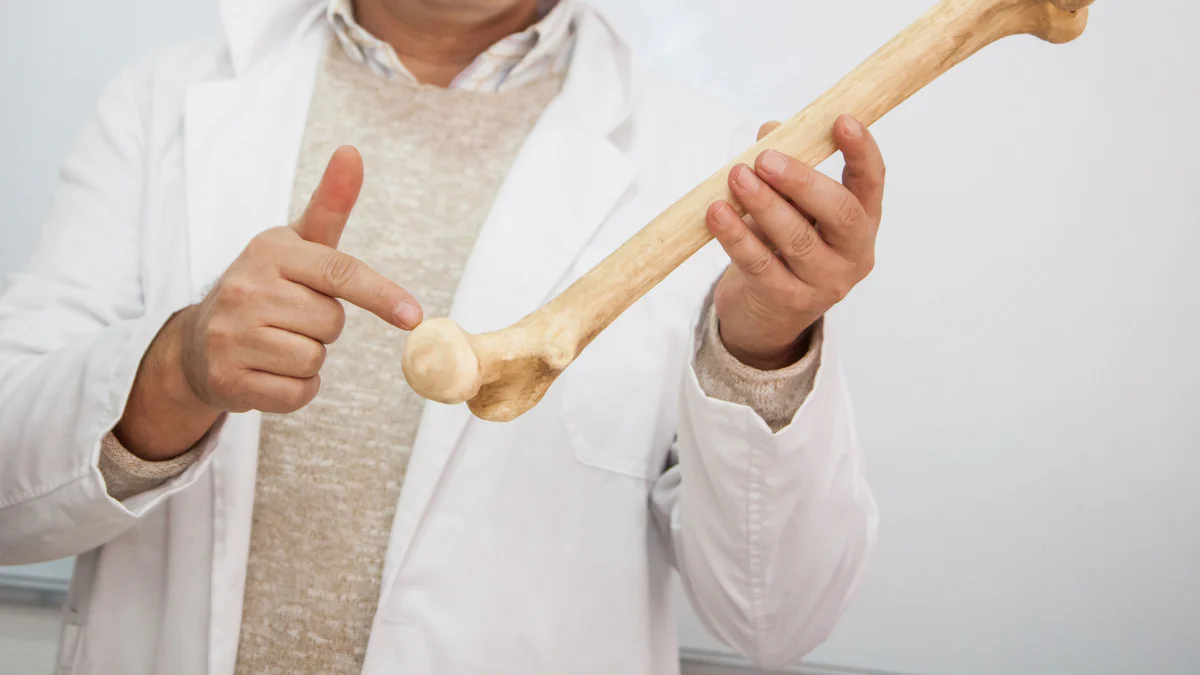
Bone is living tissue, constantly being broken down and rebuilt. In early adulthood, bone formation generally keeps pace with bone breakdown. Over time, that balance can shift, often quietly and without symptoms.
Yet bone density screening with a DEXA scan isn’t typically recommended until after age 65. By that point, roughly half of women already have osteopenia, and an estimated 20-25% have osteoporosis. In other words, the biological changes have often been underway for years before they’re measured.
That’s why earlier awareness and screening matter. Waiting until later life can mean missing a critical window to understand bone health sooner, when there’s more opportunity to intervene.
During midlife, several factors may begin to influence bone health:
- Gradual changes in hormones
- Increased low-grade inflammation
- Changes in muscle mass and activity levels
- Shifts in nutrient absorption and gut health
- Long-term use of certain medications (e.g. steroids, antidepressants, acid reflux drugs, etc.)
- Genetics
- Certain health conditions: thyroid disease, rheumatoid arthritis, etc.
These changes don’t happen overnight. They accumulate quietly, which is why bone loss is often described as “silent.”
A thoughtful bone health checklist helps make the invisible visible.

Your Bone Health Checklist
Use this checklist as a living document. You don’t need to check every box at once. The goal is awareness, consistency, and progress over time.
Bone Health Checklist for Women Over 40
|
Category |
Checklist Item |
Why It Matters |
|
Screening & Awareness |
I know my most recent bone density (DEXA) results or have discussed timing with my clinician. |
Bone loss often begins before symptoms appear. |
|
I understand what my T-score means. |
Fracture risk exists on a continuum, not just with osteoporosis. |
|
|
Nutrition |
I consistently meet calcium needs through food or supplements. |
Calcium is a structural component of bone. |
|
I consistently meet vitamin D needs through food or supplements. |
Vitamin D helps the body absorb calcium. |
|
|
I include protein at most meals. |
Protein supports bone and muscle strength. |
|
|
Gut & Absorption |
I pay attention to digestive health. |
Gut health influences nutrient absorption and inflammation. |
|
I understand that gut health may affect bone health. |
The gut-bone axis links digestion, immunity, and bone remodeling. |
|
|
Movement |
I regularly do weight-bearing exercise. |
Mechanical loading stimulates bone maintenance. |
|
I regularly include strength training in my routine. |
Muscle strength helps protect bones and prevent falls. |
|
|
Lifestyle Factors |
I limit smoking and excessive alcohol. |
Both are associated with increased bone loss. |
|
I prioritize sleep and stress management. |
Chronic stress and poor sleep can affect inflammatory signaling. |
|
|
Long-Term Habits |
I focus on daily consistency rather than short-term fixes. |
Bone remodeling responds to cumulative signals over time. |
|
This content is for educational purposes only and is not a substitute for professional medical advice. Always consult a qualified healthcare provider regarding your health or medical decisions. |
||
How to Use This Bone Health Checklist
This checklist isn’t meant to be a source of pressure. It’s a framework.
You might start by asking yourself:
- Which areas am I already supporting?
- Where do I have gaps in awareness or consistency?
- What’s one small change I can sustain daily?
Bone health responds best to habits that fit into real life, not extreme plans that are hard to maintain.

When to Talk to a Clinician About Bone Health
Consider having a bone health conversation with your healthcare provider if you:
- Are in your 40s or 50s and want a baseline assessment
- Have a family history of osteoporosis or fractures
- Have experienced hormonal changes earlier than expected
- Have digestive conditions that may affect nutrient absorption
Early conversations can help guide smarter screening and preventive strategies.
Bone Health Starter Questions to Ask Your Provider
- Should I get a baseline bone density (DEXA) scan? And if not now, when?
- Do I have any risk factors for bone loss that we should keep an eye on?
- Are there lifestyle or nutrition habits that matter most for bone health at this stage?
- How often should we revisit bone health as I get older?
Why Consistency Matters More Than Perfection
Bone remodeling follows a slow biological timeline. A single remodeling cycle can take months, and meaningful changes in bone density reflect what your body experiences day after day.
That’s why a bone health checklist works best when it supports:
- Daily signals
- Sustainable habits
- Long-term thinking
There’s no finish line, only direction.
The Bottom Line
A proactive bone health checklist helps shift your focus from reaction to prevention.
By paying attention to screening, nutrition, movement, gut health, and daily habits in your 40s and 50s, you give your bones the best chance to stay strong for decades to come.
Bone health isn’t built in a moment. It’s built quietly, consistently, and over time.
Designed for long-term prevention, Bōndia is a clinically proven synbiotic that helps slow bone loss when taken consistently over time.


