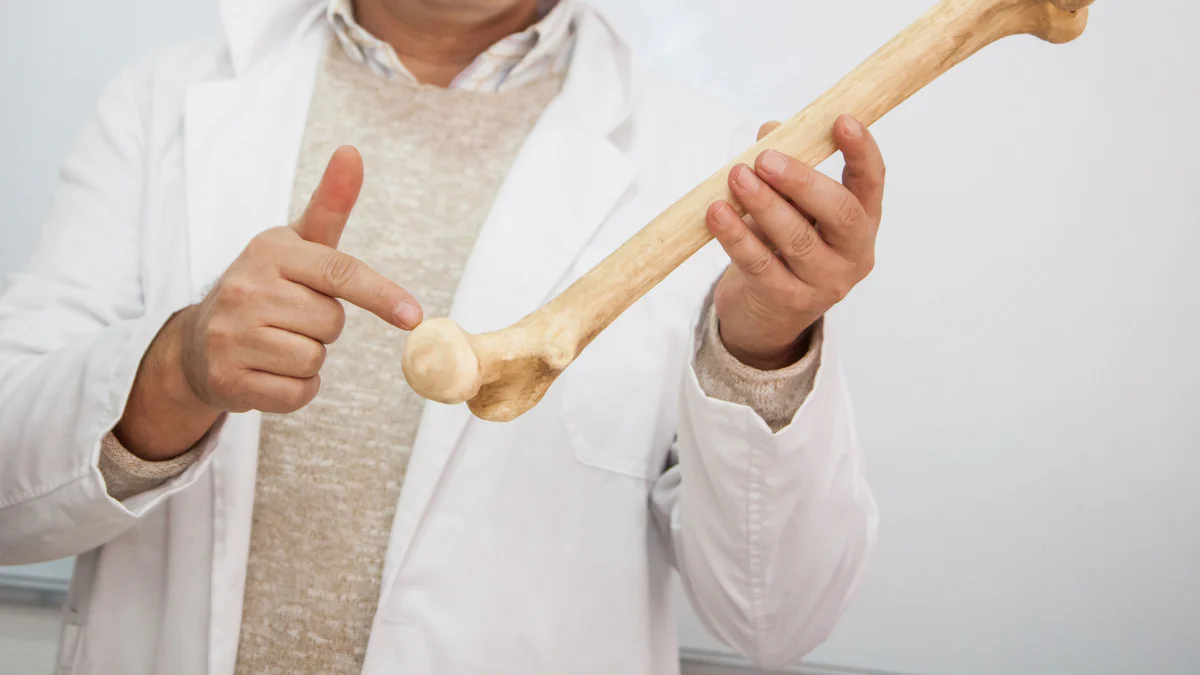



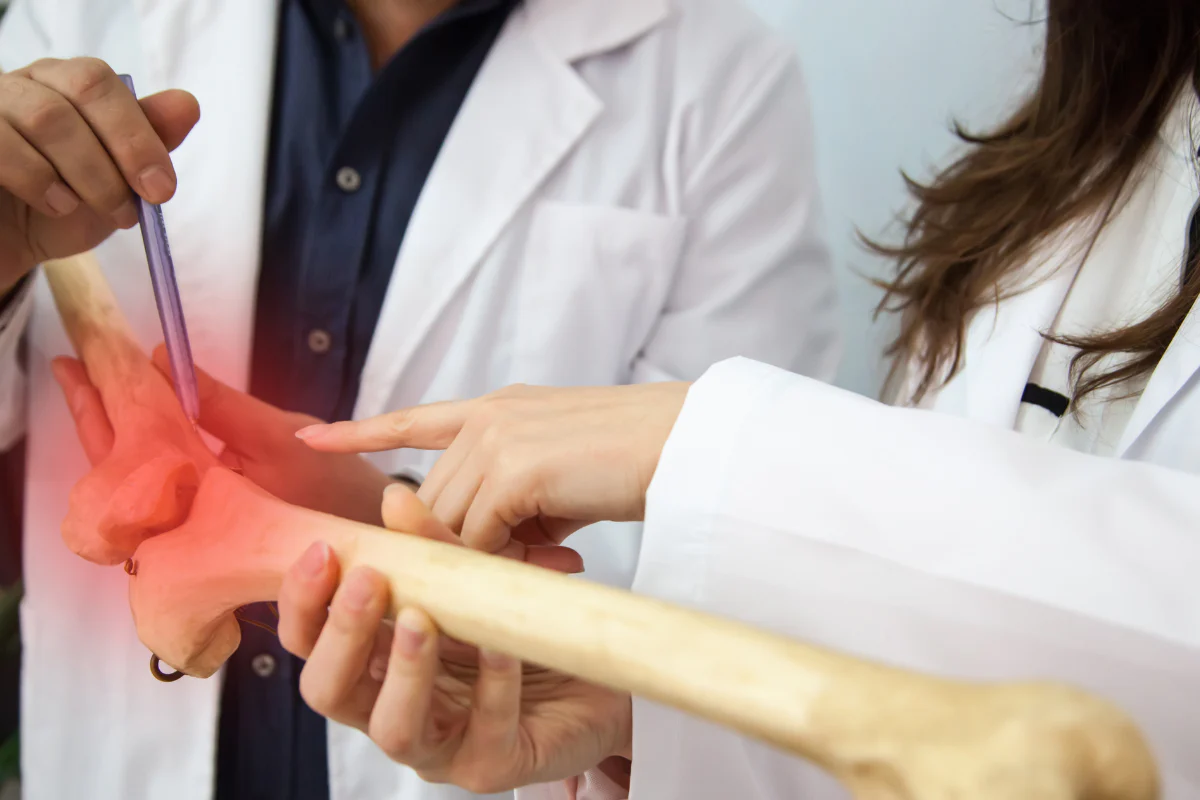

Weight-bearing exercise for bone health is exactly what it sounds like: movement that asks your skeleton to carry load—your body weight, external resistance, or both. That load is the signal bone cells respond to over time. Not instantly. Not magically. But measurably, when the stimulus is specific enough and repeated often enough.
Here’s the important nuance: not all “weight-bearing” is equal, and not all bones respond the same way. Your hips and spine (two of the most clinically important fracture sites) tend to benefit most from a mix of impact-style loading (when appropriate) and progressive resistance training plus balance work to reduce falls.

What “Weight-Bearing Workout” Really Means for Bones
Bones are living tissue. They’re constantly remodeling: old bone is broken down and new bone is built. Mechanical load helps shift that remodeling toward strength when the load is:
- Targeted: It puts meaningful stress on the bones most likely to weaken (especially the hips, spine, and legs) not just movement that raises your heart rate without much skeletal loading.
- Progressive: The challenge increases over time (more resistance, more impact, or a harder variation), so your bones keep getting a reason to adapt week after week and month after month.
- Dynamic: The loading isn’t always identical: changing direction, speed, stance, or type of movement creates a stronger signal than repeating the exact same workout the exact same way forever.
- Paired with muscle tension: Exercises that make muscles work hard (strength training, loaded carries, step-ups) pull on bone and deliver a stronger “build/maintain strength” message than low-effort movement alone.
Most credible guidance groups bone-helpful activity into three buckets:
- Weight-bearing impact exercise: low- or moderate-impact; sometimes higher-impact
- Muscle-strengthening and resistance training
- Balance + posture training: because falls are a major fracture driver
Categories of Weight-Bearing Exercise for Bone Health
1) Impact Loading Exercises
Impact loading is the force your body absorbs when your foot hits the ground. Think of the quick “thud” from a step, hop, or landing. In biomechanics, that force traveling up from the floor is called ground reaction force.
Why it matters for bone: bones respond to brief, higher-intensity signals better than long, gentle ones. When impact is appropriate for you, it can be a particularly effective way to load the hips and legs, because those bones take on a lot of the shock with each step.
Impact doesn’t have to mean jumping. It comes in levels:
Lower impact
- Brisk walking (especially hills or stairs)
- Step-ups
- Marching drills
- Low-impact aerobics
- Dancing
- Moderate impact
- Rucking
- Jogging intervals
- Jump rope
- Hopping drills
- Tennis/pickleball
Higher impact
- Running
- Jump training
- Court sports
Key idea: bones respond to novel loading. If you always walk the same flat loop at the same pace, your bones get efficient and then the stimulus fades.
A practical tip: short bouts done more often beat one heroic session. Think 2–10 minutes of targeted work you can repeat most days, modified to your body.
2) Resistance Training Exercises
Resistance training matters because muscles tug on bone. That tension is a powerful cue for maintaining (and sometimes improving) bone mineral density, particularly at the spine and hip when exercises are well-chosen and progressed.
Bone-relevant workout patterns:
- Squat pattern: squats to a box, goblet squats, leg press
- Hinge pattern: deadlifts, hip hinges
- Lunge pattern: split squats, step-back lunges, step-ups
- Push + pull: overhead press, rows, push-ups
- Carry work: farmer carries
How hard is “hard enough”?
Meta-analyses in postmenopausal women suggest resistance training can improve or preserve BMD, and program details (intensity, frequency, duration) matter. In plain English, you want sets that feel challenging by the final reps, and you want to progress over time.
3) Balance and Posture Exercises
Even the strongest bone plan is incomplete without fall-risk work. Balance training won’t build bone the same way impact and strength can, but it can meaningfully reduce the chance that bone ever gets tested by a fall.
High-value balance options:
For posture, back-extensor endurance and upper-back strength help support spinal alignment. Many osteoporosis-focused guidelines emphasize safer movement patterns and posture training, especially for people with vertebral fracture risk.
How To Exercise If You Have Osteopenia or Osteoporosis
If you already have low bone density (or a prior fragility fracture), exercise is still on the table but the goal shifts toward the safest effective dose.
Widely used guidance emphasizes:
- Keep strength training (it’s protective)
- Use impact carefully and scale based on fracture risk, symptoms, and medical guidance
- Prioritize balance and posture
- Avoid high-risk loaded spinal flexion/twisting if you’re at vertebral fracture risk
If you’re unsure what’s appropriate for your spine or hips, this is a good moment to involve a physical therapist or clinician who works with osteoporosis.
A 3-Day Bone-Focused Workout Plan for Beginners
This is a template for 3 exercise days per week; it is not medical advice. Scale the range of motion and weights used to your body.
|
Workout Day |
Exercise + Tutorial |
Repititions |
|
Day A: Strength + light impact |
3 × 8-12 reps |
|
|
3 × 8 reps each side |
||
|
3 × 10-12 reps |
||
|
6 × 20-40 seconds |
||
|
Day B: Strength + balance |
3 × 8-12 reps |
|
|
3 × 6-10 reps each side |
||
|
3 × 8-12 reps |
||
|
5 × 20-40 seconds each side |
||
|
Day C: Impact intervals + posture |
10-20 minutes (alternate 1 minute fast/1 minute easy) |
|
|
Back-extensor endurance (prone or wall-supported) |
3 × 20-40 seconds |
|
|
3 × 12-20 reps |
Progression: How To Make Exercise Keep Working for Your Bones
Bone adapts slowly, but it does adapt. The progression rules are simple:
- Add load: slightly heavier dumbbells, more resistance, harder variation
- Add impact: only if appropriate (e.g. step-ups → low hops)
- Add volume: another set, or another day
- Add novelty: change direction, stance, tempo, or exercise angle
Pick one lever at a time. Progress every 1–2 weeks if you’re recovering well.
Conclusion
If you want an evidence-aligned bone strategy, build it around:
- Resistance training: progressive, lower-body + spine-relevant patterns
- Impact-style weight-bearing: scaled to your risk and capacity
- Balance and posture: because preventing falls prevents fractures
- Daily support: synbiotic capsules clinically proven to reduce bone loss
Bōndia was designed for women who want a simple, daily habit to support bone health. Learn more about the science behind Bōndia.
Frequently Asked Questions About Exercise for Bone Health
What is the best weight-bearing exercise for osteoporosis?
The best weight-bearing exercise for osteoporosis is usually a combination of resistance training, weight-bearing movement, and balance work. Exercises like squats, step-ups, walking hills, stair climbing, and strength training help load the hips and spine, which are common fracture sites. For people with osteoporosis, the safest and most effective exercise program is one that progressively challenges bone and muscle while minimizing fall and fracture risk.
How often should I lift weights to improve bone density?
Most bone health guidelines recommend resistance training at least 2-3 times per week to help maintain or improve bone density. The most effective programs use progressive overload, meaning the exercises become more challenging over time through added resistance, repetitions, or exercise complexity. Consistency matters more than intensity when starting, especially for people with osteopenia or osteoporosis.
Does going up and down stairs build bone density?
Yes, stair climbing can help support bone density because it is a weight-bearing activity that loads the hips, legs, and spine. Walking stairs creates more skeletal loading than walking on flat ground and may help stimulate bone remodeling over time. While stairs alone are usually not enough to significantly improve bone density, they can be an effective part of a broader bone health exercise routine that includes resistance training and balance work.
This article is for educational purposes only and is not medical advice. Always consult your physician or a qualified healthcare professional before starting a new exercise program, especially if you have osteopenia or osteoporosis, a history of fractures, chronic conditions, pain, or are pregnant or postpartum.


