




One of the most important and least answered questions in probiotic science is simple: Do probiotic strains actually survive the journey through your digestive tract?
Many products claim billions of live microbes. Few can prove those microbes arrive in the gut alive, remain viable long enough to matter, and function as intended.
A recent study has confirmed what sets Sōlaria Biō's synbiotics apart: our strains don't just survive. They show up fast, transiently persisted in the gut microbiome, and remain viable throughout the gastrointestinal tract: demonstrating the quality you'd expect from a platform built by scientists who take evidence seriously.
In this clinical study, Bōndia’s probiotic strains were detected in over 80% of participants within one week of daily intake. The strains persisted transiently for several days and were confirmed viable using culture-based methods, demonstrating probiotic strain survival through the gastrointestinal tract.
Here’s what the data show.
Do Our Probiotics Survive Stomach Acid?
One challenge in the probiotic category is verifying strain viability at the point of consumption and after digestion. Many products contain dead cells before you even open the bottle.
Studies have found that some commercial probiotics lose over 99% of their live microbes during manufacturing, storage, or shelf life. Others contain strains that were never designed to survive the harsh, acidic environment of the stomach.
“Most probiotic products make bold claims about gut health. Few can prove their microbes survive the journey through your digestive tract—let alone arrive alive, persist long enough to matter, and function the way they're supposed to.” - Mark Charbonneau, PhD
Even when probiotics do contain live cells at the time of consumption, most products don’t prove those microbes actually make it through the gastrointestinal tract alive and metabolically active. Without that proof, the premise falls apart.

What the New Probiotics Study Shows
The randomized, open-label clinical trial published by the Sōlaria Biō team in Beneficial Microbes examined gut persistence of the microbial strains in Bōndia following daily consumption by healthy adults. The study used three complementary detection methods to track strain-specific presence, abundance, and viability over time.
The results were striking.
How Quickly Do Probiotic Strains Appear in the Gut?
Strains from this synbiotic medical food were detected in over 80% of participants during the administration period, with strain abundance peaking in the first week. By day 7, Bōndia strains Leuconostoc mesenteroides and Lactiplantibacillus plantarum were detected in over 70% of participants, Levilactobacillus brevis in 66%, and Pichia kudriavzevii in 50%.
How Long Do Probiotics Stay in Your Gut?
The microbial strains were detected for a median of seven days during the follow-up period. This transient pattern is consistent with the strains passing through the gut and exerting functional effects without permanently colonizing—exactly as intended.
Are the Probiotics Still Alive After Digestion?
Culture-based methods confirmed that viable, live microbes were present in stool samples up to one week post-consumption. By day 7, all strains comprising Bōndia were detected in at least one fecal sample, with positive identification rates ranging from 35% to 100% across strains and detection methods. This proves the strains made it through the entire GI tract alive and metabolically active—not as fragments of dead cells, but as functioning organisms capable of exerting biological effects.
Why This Matters
The viability and persistence of orally administered microbes in the human gut are essential to their biological function. If the microbes are dead before consumption or can't survive the journey through the digestive tract, they can't perform the functions that drive clinical outcomes, such as producing anti-inflammatory molecules, modulating gut barrier function, or influencing immune signaling.
This study establishes that Bōndia's strains deliver viable microbes that transiently persist in the gut, reinforcing their promise for safe and targeted dietary interventions.
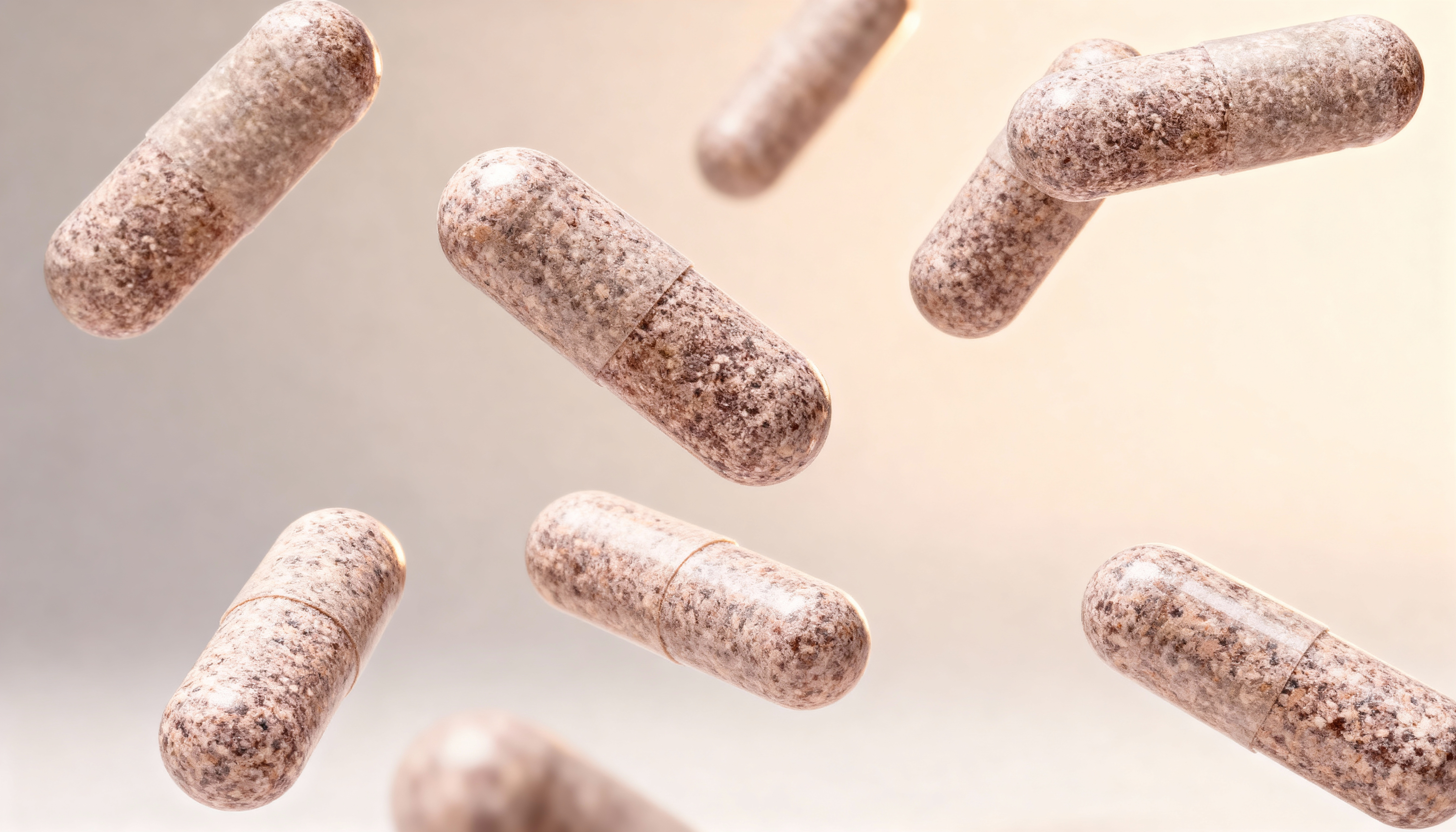
The use of enteric-coated capsules also enhances survival by protecting strains from gastric acid and promoting targeted release in the small intestine. Importantly, fecal metagenome diversity and metabolic functional potential remained stable throughout the administration and follow-up periods. A seven-day intake of Bōndia did not alter the resident microbial community, indicating that short-term synbiotic consumption does not significantly disrupt natural microbiome diversity in the gut.
The Contrast with Commercial Probiotics and Bōndia
The findings stand in sharp contrast to much of the commercial probiotic landscape. A 2021 study examined 11 commercially available probiotics and found that only 2 of those products contained the level of probiotics shown on the label. In some cases, the concentration of individual probiotic strains was more than 99% lower than what was indicated on the product label.
A more recent 2023 study examined 21 commercial probiotic formulations and found that only one product had a lower level of probiotics than indicated on the label, having lost about 99% of live probiotics. However, two of the products were either missing strains they claimed to have or had extra strains that were not on the label.
Bōndia is different by design. It arrives cold to maintain live, active cultures. It uses enteric-coated capsules to protect the strains from gastric acid and ensure targeted delivery. And it's backed by data that demonstrates strain-specific viability and persistence with precision.

Why Probiotic Strain Survival Matters for Clinical Outcomes
Bōndia was designed from the ground up to deliver live, functional microbes that work synergistically to reduce inflammation and protect bone health. The four proprietary strains—Lactiplantibacillus plantarum, Levilactobacillus brevis, Leuconostoc mesenteroides, and Pichia kudriavzevii—were isolated from edible plants and selected through Sōlaria Biō's AI-powered discovery platform for specific anti-inflammatory functions.
In a 12-month, randomized, double-blind, placebo-controlled clinical trial of 286 postmenopausal women, participants with osteopenia who consumed Bōndia showed 84.5% reduced bone loss at the femoral neck, and women with BMI ≥ 30 showed 73.7% reduced bone loss in the hip. In vitro studies demonstrated that Bōndia functions through three interconnected anti-inflammatory pathways: improved gut barrier integrity, reduced inflammatory cytokine secretion, and inhibited osteoclast activity.
Our new study adds another layer of validation: the strains aren’t just alive in Bōndia capsules. They reliably travel though the entire gastrointestinal tract alive and active, where they can do their job to reduce inflammation and protect bones.


