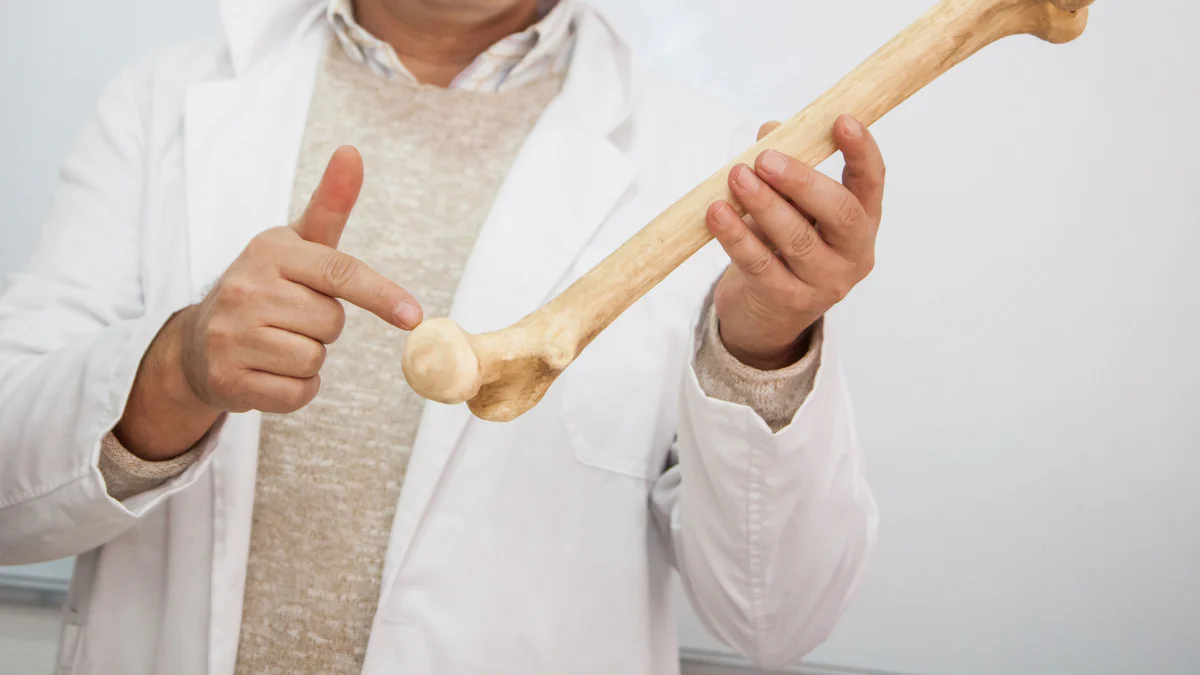





For decades, bone health was viewed as a simple equation: calcium in, strong bones out. But science now tells a more nuanced story—one that connects your digestive system, immune system, and skeleton in a biological pathway known as the gut-bone axis.
Understanding this connection helps explain why bone loss often accelerates during midlife, why inflammation matters, and why daily, cumulative support (not quick fixes) plays such an important role in protecting bone density over time.
What Is the Gut-Bone Axis?
The gut-bone axis refers to the biological relationship between the gut microbiome (the trillions of microbes living in your digestive tract), the immune system, and bone remodeling.
Your gut does more than digest food. It:
- Regulates nutrient absorption
- Shapes immune signaling
- Influences inflammation levels throughout the body
These processes directly affect how bone is broken down and rebuilt.
Bone is not static. It is constantly remodeling through the coordinated activity of two cell types:
- Osteoclasts, which break down old bone
- Osteoblasts, which build new bone
When signals that activate osteoclasts outweigh those that support osteoblasts, bone loss accelerates. The gut-bone axis plays a central role in determining that balance.

How the Gut Microbiome Influences Bone Density
1. Regulates Nutrient Absorption
Bone health depends on more than just calcium intake. Nutrients must be:
- Absorbed efficiently
- Transported appropriately
- Directed into bone tissue
Vitamin D supports calcium absorption, while vitamin K helps guide calcium into bone rather than soft tissue. Gut microbes can contribute to this process by producing bioactive compounds and supporting the environment needed for proper absorption.
A well-supported microbiome helps create the conditions for nutrients to do their intended work.
2. Shapes Immune Signaling
The immune system and skeletal system are deeply interconnected. Many of the same signaling molecules involved in immune responses also regulate bone remodeling.
Certain inflammatory cytokines (small signaling proteins the immune system uses to communicate) promote osteoclast formation and activity. When immune signaling remains chronically elevated, as is common during menopause and aging, bone resorption can outpace bone formation.
The gut microbiome plays a key role in modulating immune responses, helping influence whether these signals remain balanced or skew toward bone loss.
3. Influences Inflammation Levels
A healthy gut lining acts as a selective barrier, allowing nutrients to pass through while keeping inflammatory compounds out of circulation.
When this barrier weakens, inflammatory signals can increase throughout the body. Chronic, low-grade inflammation is known to stimulate osteoclast activity, tipping the balance toward bone breakdown.
Supporting gut barrier integrity helps quiet the inflammatory signaling that contributes to bone loss.

Why the Gut-Bone Axis Matters Across Your Lifespan
Bone remodeling is influenced by age, hormones, immune activity, and overall metabolic health. However, the gut-bone axis remains relevant throughout every stage of life.
As we age, low-grade inflammation tends to increase, gut barrier function can become less resilient, and bone breakdown may begin to outpace bone formation. These shifts can occur gradually and often without symptoms, which is why bone loss is frequently described as “silent.”
By influencing inflammation, immune signaling, and nutrient utilization, the gut-bone axis plays a role in how bone density changes over time, regardless of age or menopausal status.
Supporting the Gut-Bone Axis Daily
Because bone remodeling is slow and cumulative, meaningful change depends on consistent signals repeated over time.
Supporting the gut-bone axis involves:
- Strengthening gut barrier integrity
- Reducing chronic inflammatory signaling
- Supporting a healthier balance between bone breakdown and formation
This is not a process measured in days or weeks. Bone remodeling cycles take months, and the protective patterns that influence long-term bone density develop gradually.
The Takeaway
The gut-bone axis provides a more comprehensive understanding of bone density, one shaped by digestion, immunity, inflammation, and daily biological signals.
Supporting this system consistently helps create the conditions for stronger bones today and greater mobility in the years ahead.
Learn more about the science behind Bōndia and how daily support through the gut-bone axis can help protect your bone health over time.
Frequently Asked Questions about the Gut-Bone Axis
What is the gut-bone axis?
The gut-bone axis is a biological pathway that links the gut microbiome, immune system, and bone remodeling. Through immune signaling, inflammation regulation, and nutrient utilization, the gut helps influence how bone is broken down and rebuilt over time.
How does gut health affect bone density?
Gut health affects bone density by shaping inflammation levels, immune signaling, and nutrient absorption. When the gut barrier is strong and inflammatory signaling is balanced, bone breakdown is less likely to outpace bone formation. Over time, this balance helps support healthier bone density.
Can gut inflammation contribute to bone loss?
Yes. Chronic, low-grade inflammation can stimulate osteoclasts: the cells responsible for breaking down bone. Because the gut plays a key role in regulating systemic inflammation, disruptions in gut health may indirectly accelerate bone loss.
Is the gut-bone axis real science?
Yes. A growing body of clinical research supports the existence of the gut-bone axis. Studies show that the gut microbiome influences immune pathways and inflammatory signals that are known to regulate bone remodeling.
Does improving gut health improve bone density?
Supporting gut health helps create the biological conditions that favor bone preservation, but changes in bone density occur slowly. Bone remodeling takes months, and meaningful changes depend on consistent, long-term support rather than short-term interventions.
Is the gut-bone axis only relevant for older adults?
No. While bone loss risk increases with age, the gut-bone axis influences bone remodeling throughout life. Gut health, immune balance, and inflammation affect bone turnover at every stage, making this pathway relevant well before bone loss is diagnosed.
How long does it take for changes in the gut-bone axis to affect bones?
Bone remodeling cycles typically take several months. Because of this, the effects of changes in the gut-bone axis accumulate gradually. Consistent daily signals over extended periods are more meaningful than short-term changes.


