
EARLY ADOPT 20% OFF • CODE: LIFETIME20

Don’t Navigate Bone Loss Alone
Get trusted guidance, new research, and practical bone health tips delivered every month when you sign up for our osteopenia patient newsletter.
Osteopenia Support, Straight to Your Inbox
Addresses A Treatment Gap
We share safe and natural ways to preserve bone density before the need to consider bone strengthening medications arises.
Reveals The Truth About Osteopenia
Osteopenia is not a "wait and see" diagnosis. It's your window to take action before bone loss continues and becomes osteoporosis.
Meets You Where You Are
We study the dull scientific research and give you the monthly highlights in real talk—emailed directly to you.
Adapts To Your Choices
Change your newsletter subscription preferences at any time by pressing the unsubscribe button in every email.
We're on a mission to improve bone health in women.
Women with osteopenia are often told to wait and see what happens next. But you can take action with science on your side.
Subscribe to our newsletter to get our expert take on the latest osteopenia research and practical tips to help you stay ahead of bone loss.
Reid and McClung, Lancet Diabetes Endocrinol. 2024

Fragility By the Numbers
1
IN
2
women over 50 will suffer a fragility fracture.
A broken bone from a minor fall or bump–something that would not wouldn’t break a healthy bone.
Kanis JA et al. Osteoporos Int. 2000;11(8): 669-674.
22%
of women die within 1 year following a hip fracture.
And most hip break survivors are permanently robbed of their independence.
Haentjens P et al. Osteoporos Int. 2010;152(6):380-390.
80%
of women over 65 will die within 9 years of a hip fracture.
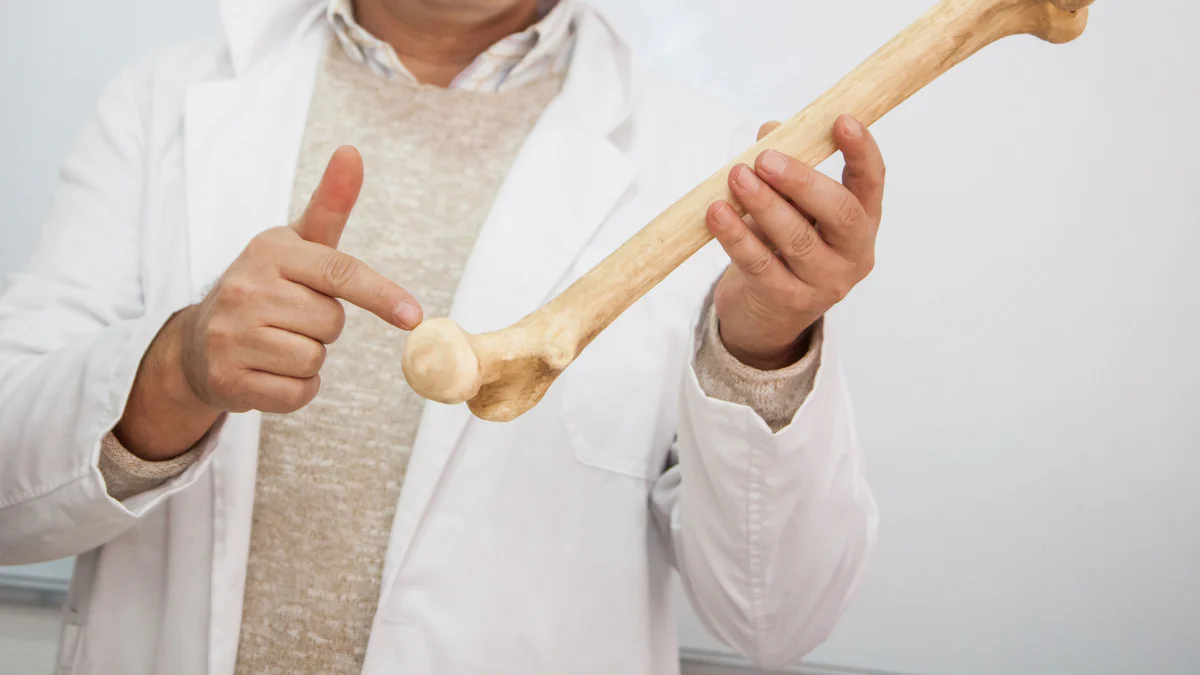
Bōndia’s most powerful protection is seen where hips are more likely to break: the femoral neck.
Paula J et al. BMC Musculoskelet Disord. 2011;12:105.
AN EXPERT COLLECTIVE
Our Clinical + Scientific Guides


BŌNDIA SLOWED BONE LOSS BY
85%
in women with osteopenia
Bōndia can improve bone density by 85% in women with osteopenia. Clinically studied. No prescription required. No harsh side effects.

Meet Bōndia
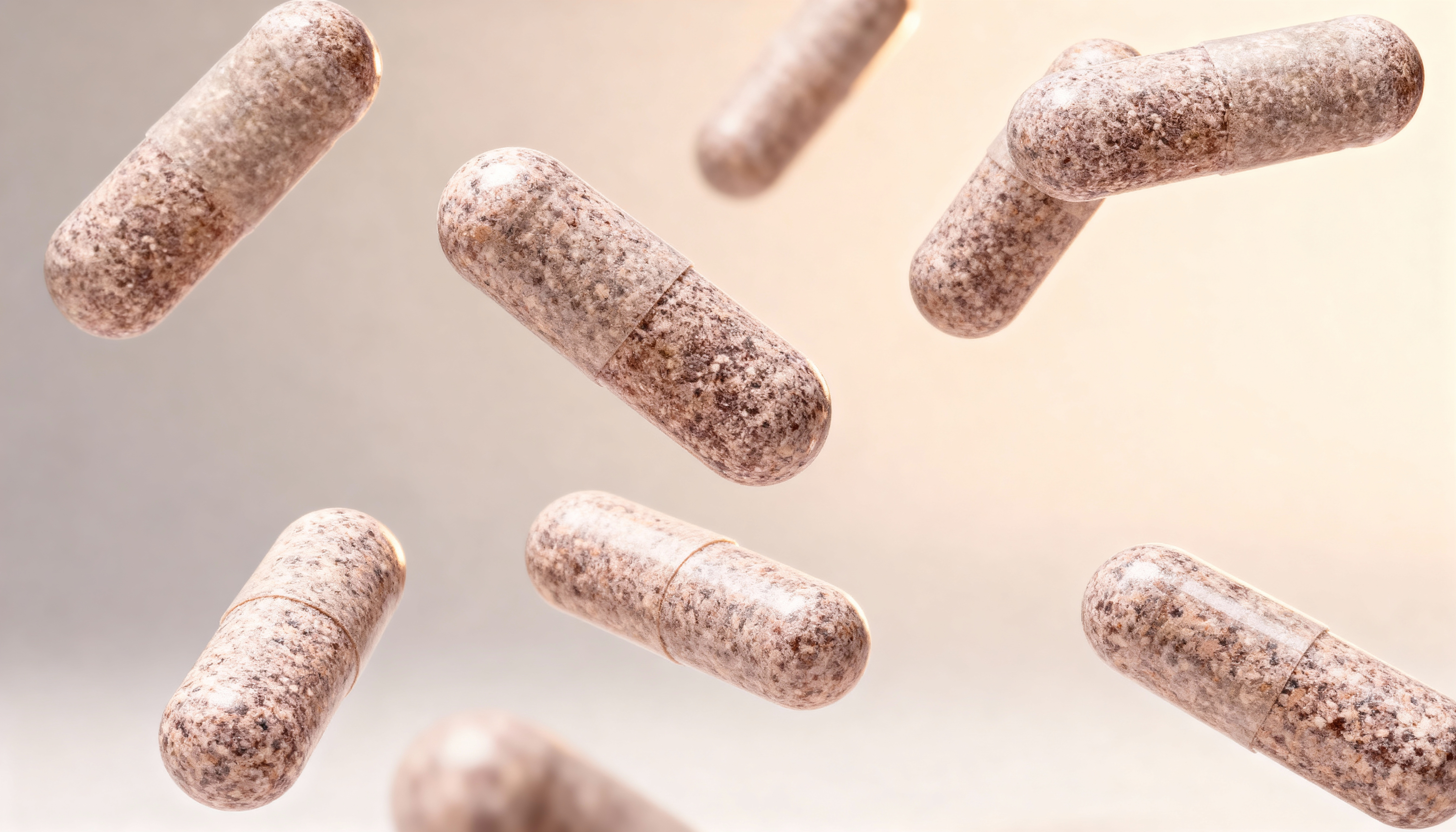
Bone loss doesn’t have to define your future. Our clinically proven, plant-sourced synbiotic helps you support bone health early and protect what matters most—your quality of life.
SHOP BŌNDIA
SEE HOW BŌNDIA WORKS
Estrogen-Free • Allergen-Free • Low FODMAP • Vegan • Gluten-Free • Non-GMO • 100% Fruit + Vegetable + Fermented Food Based • Clinically Proven • Gold-Standard Scientific Rigor •
Estrogen-Free • Allergen-Free • Low FODMAP • Vegan • Gluten-Free • Soy-Free • Non-GMO • 100% Fruit + Vegetable + Fermented Food Based • Clinically Proven • Gold-Standard Scientific Rigor •
Estrogen-Free • Allergen-Free • Low FODMAP • Vegan • Gluten-Free • Soy-Free • Non-GMO • 100% Fruit + Vegetable + Fermented Food Based • Clinically Proven • Gold-Standard Scientific Rigor •
Estrogen-Free • Allergen-Free • Low FODMAP • Vegan • Gluten-Free • Soy-Free • Non-GMO • 100% Fruit + Vegetable + Fermented Food Based • Clinically Proven • Gold-Standard Scientific Rigor •
Estrogen-Free • Allergen-Free • Low FODMAP • Vegan • Gluten-Free • Non-GMO • 100% Fruit + Vegetable + Fermented Food Based • Clinically Proven • Gold-Standard Scientific Rigor •
Estrogen-Free • Allergen-Free • Low FODMAP • Vegan • Gluten-Free • Soy-Free • Non-GMO • 100% Fruit + Vegetable + Fermented Food Based • Clinically Proven • Gold-Standard Scientific Rigor •
Estrogen-Free • Allergen-Free • Low FODMAP • Vegan • Gluten-Free • Soy-Free • Non-GMO • 100% Fruit + Vegetable + Fermented Food Based • Clinically Proven • Gold-Standard Scientific Rigor •
Estrogen-Free • Allergen-Free • Low FODMAP • Vegan • Gluten-Free • Soy-Free • Non-GMO • 100% Fruit + Vegetable + Fermented Food Based • Clinically Proven • Gold-Standard Scientific Rigor •
EMAIL OUR TEAM
What is a DEXA scan and why are people getting them too late?
A1: A DEXA (dual-energy X-ray absorptiometry) scan measures bone mineral density—the gold standard for detecting osteopenia and osteoporosis. The problem: standard screening doesn't begin until age 65, yet rapid bone loss starts during perimenopause, often in your late 40s or early 50s. By age 65, nearly 80% of women already have low bone mass or osteoporosis. This 10-15 year gap means most women accumulate significant bone loss during the period when intervention could be most effective. Talk to your healthcare provider about earlier baseline screening, especially if you're perimenopausal or recently menopausal.

What are fragility fractures and why do they matter?
Fragility fractures are breaks from minor trauma—a fall from standing height, a bump, or strong cough—that wouldn't break healthy bone. Nearly half of women over 50 will experience one. Hip fractures carry a 5.75-fold increased risk of death in the first three months and substantially reduce independence. Fragility fractures cause more hospitalizations annually than breast cancer, heart attack, and stroke combined—a silent epidemic that robs women of mobility, confidence, and years of vitality, making early bone density protection critically important.

How do I know if I am at risk for a fragility fracture, osteopenia, or osteoporosis?
Key risk factors include being postmenopausal, elevated BMI (≥30) or body fat (≥40%), family history of osteoporosis or fractures, previous fracture, smoking, prolonged steroid use, certain autoimmune conditions, and early menopause. However, bone loss is silent—you can't feel it happening. The only way to know your bone health status is through DEXA scanning. Don't wait for standard screening at 65. Request a baseline scan in perimenopause or early menopause so you can preserve your bone density before fractures occur.
How does Bōndia help preserve my bone density?
Bōndia works through the gut-bone axis using three interconnected mechanisms: strengthening your intestinal barrier to reduce inflammatory "leaky gut," decreasing inflammatory cytokine production by immune cells, and inhibiting osteoclast activity—the cells that break down bone. Our proprietary combination of four plant-sourced probiotic strains works synergistically with prebiotic fibers to target the inflammation driving postmenopausal bone loss. In our clinical trial, this approach reduced bone loss by up to 84.5% in women with osteopenia and 73.7% in women with elevated BMI after one year.
What makes hip fractures so dangerous and how does Bōndia help?
What makes hip fractures so dangerous and how does Bōndia help?
A5: Hip fractures carry a 5.75-fold increased mortality risk in the first three months and dramatically reduce independence—many survivors never return to their previous mobility. They often require surgery, extended hospitalization, and lengthy rehabilitation. In our clinical trial, Bōndia significantly reduced hip bone loss by 73.7% in women with BMI ≥30 and by 59.5% in women with elevated body fat (≥40%). By preserving hip bone density during critica perimenopausal and postmenopausal years, Bōndia helps protect against the fractures that most threaten future independence.
How does HRT in menopause impact bone health?
Hormone Replacement Therapy (HRT) can effectively manage perimenopausal bone loss but has significant limitations: must start within 10 years of menopause or before age 60, often limited to 5 years due to cardiovascular and breast cancer risk associations, and contraindicated for women with history of cardiovascular disease, stroke, or liver disease. Despite availability, only 10.5% of women experiencing menopausal symptoms use HRT, largely due to safety concerns. Bōndia offers a complementary approach through the gut-bone axis—a safe, clinically validated solution for women who cannot use, choose not to use, or have completed HRT, filling a critical gap in bone health management.


