
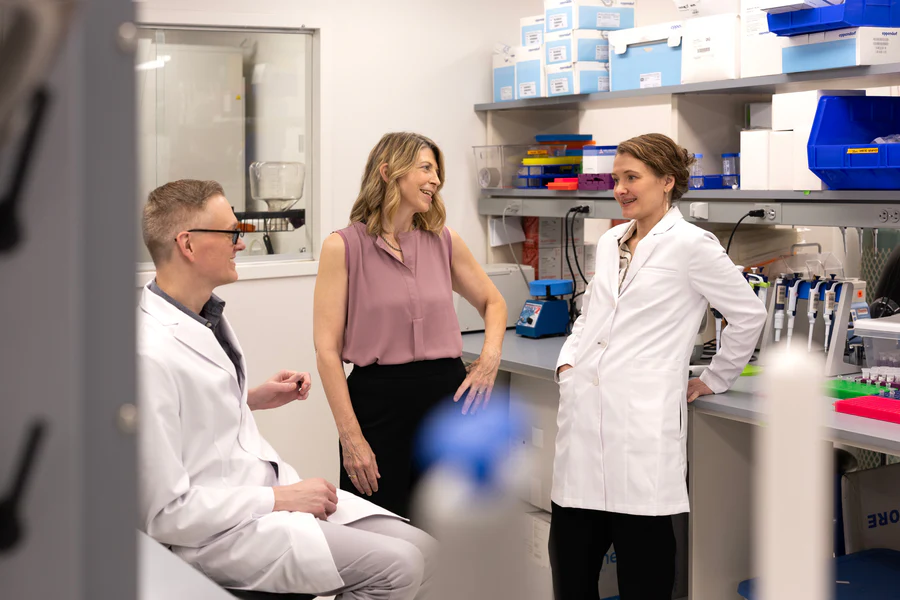

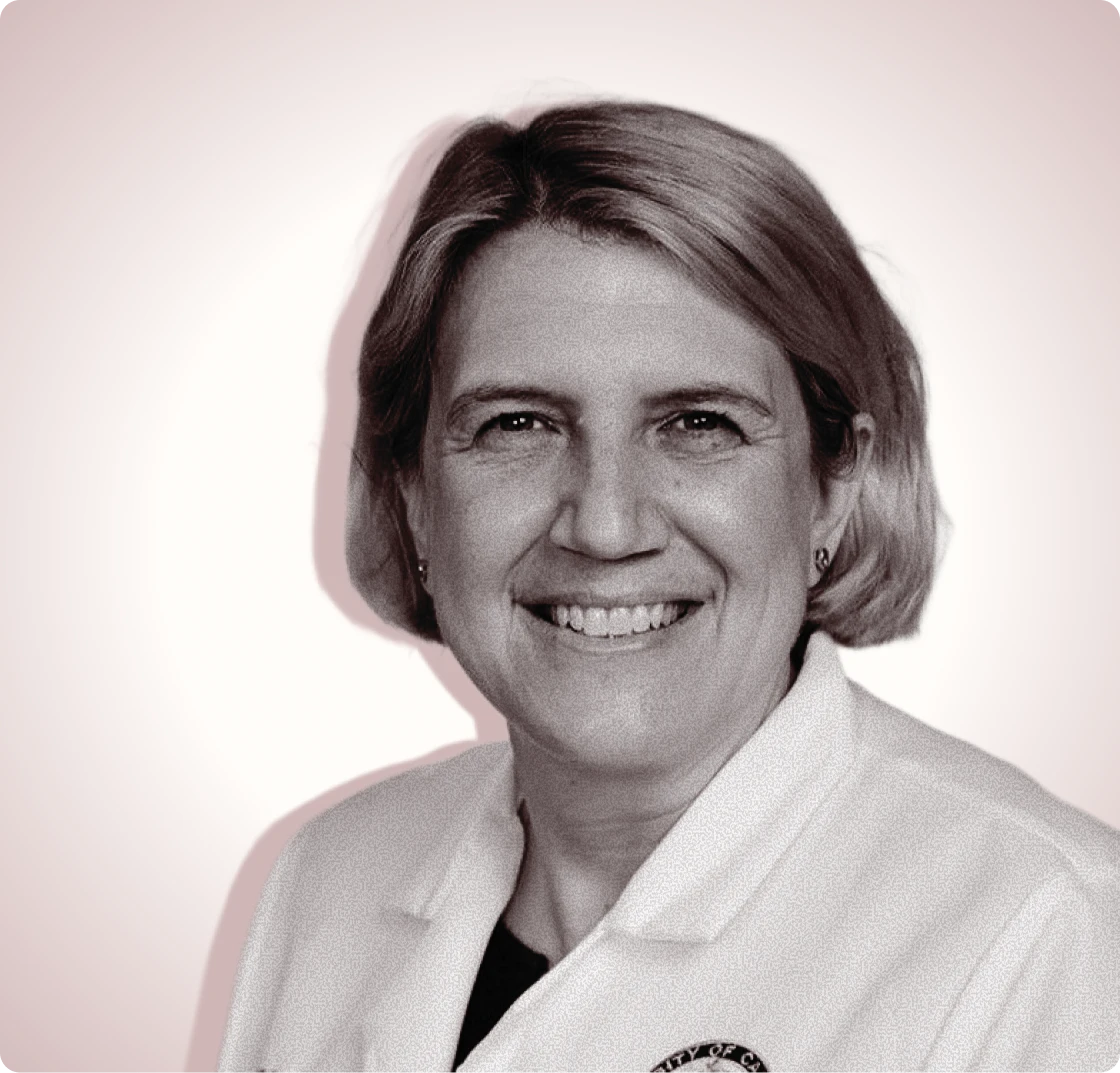
Susan Bukata, MD
Chair, Department of Orthopedic + Surgery, UC San Diego
THE RESEARCH BEHIND BŌNDIA
Bone Health Clinical Study
Bone loss isn’t random, inevitable doom. It follows a pattern. A pattern you can influence and even get ahead of with our pioneering, plant-sourced synbiotic breakthrough, Bōndia.
THE RESEARCH
BEHIND BŌNDIA
Bone Health Clinical Study
Bone loss isn’t random, inevitable doom. It follows a pattern. A pattern you can influence and even get ahead of with our pioneering, plant-sourced synbiotic breakthrough, Bōndia.
EARLY ADOPT 20% OFF • CODE: LIFETIME20
SLOWED BONE LOSS BY
85%
in women with osteopenia
In a year-long, randomized, double-blind, placebo-controlled clinical trial—the gold standard of clinical testing, Bōndia improved bone density outcomes by 85% in women with osteopenia.

SLOWED BONE LOSS BY
74%
in women with BMI > 30
In a year-long, randomized, double-blind, placebo-controlled clinical trial—the gold standard of clinical testing, Bōndia improved bone density outcomes by 85% in women with osteopenia.

SLOWED BONE LOSS BY
60%
in women with body fat > 40%
In a year-long, randomized, double-blind, placebo-controlled clinical trial—the gold standard of clinical testing, Bōndia improved bone density outcomes by 85% in women with osteopenia.

PROVEN BONE DENSITY PROTECTION
Most Women Can
Benefit from Bōndia
80% of women over 50 are in one or more of the groups that Bōndia is clinically proven to protect.

Reid, I.R.; McClung, M.R. Osteopenia: A Key Target for Fracture Prevention. Lancet Diabetes Endocrinol 2024, 12, 856–864, doi:10.1016/S2213-8587(24)00225-0.
SLOW YOUR BONE AGING
She’s 60, But Her Bones Are Still in Their 40s
Improvements in rate of bone loss compound over time. The long-term implications are striking: osteopenic women stand to lose as much bone in a single year as those taking Bōndia may lose in over 6.
For many of us, this is life-changing math—determining whether we continue living confidently and independently or begin confronting avoidable fractures, mobility loss, and reduced quality of life.

BEYOND BONES

Improvement in Bone Loss
Women in our landmark clinical study not only experienced significant improvements in bone loss but also reported relief of severe nausea, constipation, gas, and bloating, with these gut symptoms reduced by 78.9%.
In a year-long, randomized, double-blind, placebo-controlled clinical trial—the gold standard of clinical testing, Bōndia improved bone density by 85% in women with osteopenia.
Schott EM et al., Osteoporosis International (2025). DOI: 10.1007/s00198-025-07650-7






AN EXPERT COLLECTIVE
Our Clinical + Scientific Guides
Welcome to the
Science of Strong
Founding members get 20% off your first order with code GOODBONES20.
SHOP Bōndia™
Estrogen-Free • Allergen-Free • Low FODMAP • Vegan • Gluten-Free • Non-GMO • 100% Fruit + Vegetable + Fermented Food Based • Clinically Proven • Gold-Standard Scientific Rigor •
Estrogen-Free • Allergen-Free • Low FODMAP • Vegan • Gluten-Free • Soy-Free • Non-GMO • 100% Fruit + Vegetable + Fermented Food Based • Clinically Proven • Gold-Standard Scientific Rigor •
Estrogen-Free • Allergen-Free • Low FODMAP • Vegan • Gluten-Free • Soy-Free • Non-GMO • 100% Fruit + Vegetable + Fermented Food Based • Clinically Proven • Gold-Standard Scientific Rigor •
Estrogen-Free • Allergen-Free • Low FODMAP • Vegan • Gluten-Free • Soy-Free • Non-GMO • 100% Fruit + Vegetable + Fermented Food Based • Clinically Proven • Gold-Standard Scientific Rigor •
Estrogen-Free • Allergen-Free • Low FODMAP • Vegan • Gluten-Free • Non-GMO • 100% Fruit + Vegetable + Fermented Food Based • Clinically Proven • Gold-Standard Scientific Rigor •
Estrogen-Free • Allergen-Free • Low FODMAP • Vegan • Gluten-Free • Soy-Free • Non-GMO • 100% Fruit + Vegetable + Fermented Food Based • Clinically Proven • Gold-Standard Scientific Rigor •
Estrogen-Free • Allergen-Free • Low FODMAP • Vegan • Gluten-Free • Soy-Free • Non-GMO • 100% Fruit + Vegetable + Fermented Food Based • Clinically Proven • Gold-Standard Scientific Rigor •
Estrogen-Free • Allergen-Free • Low FODMAP • Vegan • Gluten-Free • Soy-Free • Non-GMO • 100% Fruit + Vegetable + Fermented Food Based • Clinically Proven • Gold-Standard Scientific Rigor •
Who is Bōndia for?
Bōndia is safe for both men and women to consume, however, our clinical trial demonstrated significant bone loss reduction in women with osteopenia (low bone mass) and women with elevated BMI or body fat percentage—groups representing approximately 70% of US women over age 50. Bōndia is particularly valuable for women in perimenopause and early postmenopause when bone loss accelerates most rapidly, offering a safe, effective solution before osteoporosis or fractures develop.

How does Bōndia work?
Bōndia works through the gut-bone axis, using three interconnected anti-inflammatory mechanisms to reduce bone loss: strengthening your intestinal barrier to reduce "leaky gut," decreasing inflammatory cytokine production by immune cells, and inhibiting bone breakdown by osteoclasts. Our proprietary blend of four plant-sourced probiotic strains works synergistically with prebiotic fibers to target the inflammation that drives postmenopausal bone loss. Learn more about how Bōndia works.

Why does it matter that the study was randomized, double-blind, placebo-controlled, and peer-reviewed?
This study design represents the gold standard of clinical research. "Randomized" means participants were assigned to groups by chance, eliminating selection bias. "Double-blind" means neither participants nor researchers knew who received Bōndia versus placebo, preventing expectation from influencing results. "Placebo-controlled" means Bōndia was compared against an inactive control—with both groups receiving vitamin D—so the differences observed can be attributed to the synbiotic components in Bōndia rather than baseline nutrient supplementation alone."Peer-reviewed" means independent scientific experts evaluated our methods and findings before publication in Osteoporosis International. This rigorous validation gives you confidence that Bōndia's benefits are real, reproducible, and scientifically sound.
How does Bōndia compare to bisphosphonates?
Bisphosphonates are prescription medications indicated for patients with osteoporosis (BMD 2.5+ standard deviations below the population mean), leaving women with osteopenia—and no other fracture risk factors—without pharmaceutical options despite their substantially elevated fracture risk. Bisphosphonates work by slowing bone breakdown but carry potential side effects including osteonecrosis of the jaw and a higher risk of atypical fracture. For these reasons, these medications are often unappealing to patients. Bōndia is a medical food designed for proactive bone loss management in early menopause and for women with osteopenia. It works naturally through the gut-bone axis, was safe and well tolerated in our trial, and addresses bone loss before it progresses to osteoporosis—filling a critical gap in bone health care.
Can Bōndia be taken alongside hormone replacement therapy?
Yes. Bōndia works through a distinct mechanism—the gut-bone axis—rather than hormone replacement, making it complementary to HRT. However, many women cannot or choose not to use HRT due to contraindications (history of cardiovascular disease, stroke, or liver disease), timing restrictions (must start within 10 years of menopause), safety concerns, or personal preference. Our clinical trial excluded women on HRT to isolate Bōndia's effects, but there's no known interaction. As always, discuss your complete supplement and medication regimen with your healthcare provider.
How does Bōndia compare to standard supplemental support for bone loss like calcium and vitamin D?
Calcium and vitamin D supplements have shown inconsistent benefits in clinical research. The US Preventive Services Task Force does not recommend vitamin D and calcium supplementation for primary fracture prevention in pre- or postmenopausal women. Meta-analyses of exercise show benefits for femoral neck and lumbar spine BMD but no significant hip effects. Bōndia represents a fundamentally different approach: rather than simply providing building blocks, it addresses the inflammatory processes driving bone loss through the gut-bone axis. In our clinical trial, all participants received vitamin D (400 IU daily)—yet women with osteopenia taking Bōndia showed up to 84.5% reduced bone loss compared to placebo, demonstrating benefits well beyond standard supplementation.

How do I know if I am at risk for a fragility fracture, osteopenia, or osteoporosis?
Nearly half of women over 50 will suffer a fragility fracture, yet standard DEXA screening doesn't begin until age 65—leaving most women to accumulate 10-15 years of unmanaged bone loss. By age 65, approximately 80% of women already have osteopenia or osteoporosis. You're at increased risk if you're postmenopausal, have a BMI ≥30, elevated body fat (≥40%), family history of osteoporosis, previous fracture, smoking history, or certain medical conditions. The most important step is getting a baseline DEXA scan—talk to your healthcare provider about earlier screening, especially if you're perimenopausal or recently menopausal. Early detection allows for proactive management when intervention is most effective.
Step into the Light
Join our community of seekers, scientists, and changemakers. Be the first to hear about new discoveries, breakthroughs, and proof that better care is growing here.
We’re here to help
Monday to Friday 7am - 7pm ET


